

Moist and flavorful, this sweet potato pound cake will enchant your taste buds from the very first bite. Highlighting the earthy sweetness of roasted sweet potatoes and wrapped in the cozy embrace of warm spices like cinnamon, nutmeg, and ginger, it strikes the perfect balance between classic baking comfort and a seasonal twist. Whether you’re craving a crowd-pleasing dessert or a cozy afternoon treat, this bundt cake delivers tender crumbs and a buttery richness that is impossible to resist. As a home cook obsessed with homemade desserts, I adore how this beginner-friendly recipe comes together in just 30 minutes of prep, an hour of baking, and a brief 15-minute rest. Even if you’ve never tackled a pound cake before, you’ll find it delightfully forgiving, yielding a golden loaf with a crackly top and a moist interior that tastes like a warm hug in cake form. Plus, this dessert not only earns rave reviews but also packs around 400 calories per slice, making it a special treat that feels significant. Perfect for beginner bakers and seasoned home cooks alike, it transforms simple pantry ingredients into a masterpiece.
Diving into this sweet potato pound cake is like discovering a warm hug in dessert form. Each forkful reveals a tender crumb that carries just the right amount of sweetness, thanks to the natural sugars in the mashed sweet potatoes. The gentle tickle of cinnamon, the subtle warmth of nutmeg, and the bright zing of ginger dance together in perfect harmony, making every bite memorable. As someone who adores homemade treats, I love that this pound cake bridges the gap between classic baking and a modern twist. It’s the kind of recipe that begs to be shared—slice it up for friends, gift a loaf wrapped in parchment paper, or surprise your family with a cozy afternoon pick-me-up. With about 400 calories per slice and a beginner-friendly difficulty level, it’s an indulgence you can feel good about. This is more than just a dessert; it’s a celebration of seasonal flavors, from kitchen to table, and proof that a homemade treat can enchant your taste buds every single time.
KEY INGREDIENTS IN SWEET POTATO POUND CAKE
Before you dive into the mixing bowl, let’s break down the hero ingredients that make this sweet potato pound cake so irresistibly moist and flavorful. Each component plays a vital role in building structure, texture, and depth of flavor—from the creamy root vegetable base to the aromatic spices and tangy buttermilk. Knowing what each element contributes will help you bake with confidence.
- Sweet potatoes
Provide natural sweetness, vibrant color, and moisture, ensuring a tender crumb while adding fiber and nutrients.
- All-purpose flour
Acts as the foundational structure, creating gluten that gives the cake its classic pound cake density without weighing it down.
- Baking powder
A chemical leavener that releases air bubbles during baking, giving the cake a light lift and preventing it from becoming too dense.
- Baking soda
Reacts with the buttermilk’s acidity to create additional rise and tenderizes the crumb for a softer result.
- Ground cinnamon
Delivers a warm, sweet-spicy note that complements the earthiness of sweet potatoes.
- Ground nutmeg
Adds depth and a subtle earthy warmth, balancing the cinnamon’s sweetness.
- Ground ginger
Introduces a bright, slightly peppery zing to enliven the overall spice profile.
- Salt
Enhances and balances all the flavors, making each spice and sweet note pop.
- Unsalted butter
Provides rich fat that creates a moist, melt-in-your-mouth texture and enriches the flavor without adding extra salt.
- Granulated sugar
Sweetens the cake and helps create a tender, fine crumb by interacting with the butter during creaming.
- Eggs
Bind ingredients together, trap air when beaten, and contribute to the cake’s structure and golden hue.
- Vanilla extract
Lends a fragrant sweetness that rounds out the spices and enhances the overall aroma.
- Buttermilk
Adds a gentle tang, extra moisture, and acidity that interacts with the baking soda to create a tender, fluffy crumb.
HOW TO MAKE SWEET POTATO POUND CAKE
Baking this sweet potato pound cake is a straightforward, step-by-step process that yields a stunning bundt cake every time. Follow each stage carefully—from preparing your pan to achieving the perfect golden bake—for a moist, tender loaf bursting with flavor.
1. Preheat your oven to 350°F (175°C) and position a rack in the center. While it heats, grease and flour a 10-inch bundt pan thoroughly, tapping out any excess flour so your cake releases cleanly.
2. In a medium bowl, whisk together the flour, baking powder, baking soda, cinnamon, nutmeg, ginger, and salt until evenly combined. Set aside this dry blend.
3. In a large mixing bowl, beat the butter and sugar on medium-high speed for 3–5 minutes until the mixture is pale, light, and fluffy, incorporating plenty of air.
4. Add the eggs one at a time, beating well after each addition to ensure a smooth, emulsified batter that won’t split.
5. Mix in the mashed sweet potatoes and vanilla extract until fully incorporated, scraping down the sides of the bowl to keep everything even.
6. Gradually add the dry ingredients to the wet mixture, alternating with the buttermilk—beginning and ending with the flour mixture. Mix until just combined; overmixing can lead to a tough crumb.
7. Pour the batter into the prepared bundt pan, then smooth the top with a spatula for an even surface.
8. Bake for 55–65 minutes, or until a toothpick inserted into the center comes out clean and the edges pull slightly away from the pan.
9. Allow the cake to cool in the pan for about 15 minutes, then invert onto a wire rack to cool completely before slicing and serving.
SERVING SUGGESTIONS FOR SWEET POTATO POUND CAKE
After patiently waiting for the cake to cool completely, you’ll be rewarded with slices that are dense yet tender, each one a little masterpiece of homemade baking. I love starting with a simple dusting of powdered sugar across the top—just enough to highlight all those nooks and crannies. For a fancier approach, whisk up a quick cream cheese frosting, swirling it in generous ribbons until it cascades down the sides of the bundt. If you’re craving a sweet tang, drizzle a maple or caramel glaze over each slice and sprinkle with toasted pecans for a satisfying crunch. On cooler mornings, serve a warm wedge alongside a scoop of vanilla ice cream or a dollop of freshly whipped cream, accented by a sprinkle of ground cinnamon. For an unexpected twist, layer cubes of that leftover pound cake in a trifle dish with fresh berries, yoghurt, or a drizzle of honey, creating a multi-layered treat perfect for a brunch spread. Add a handful of chopped walnuts or dried cranberries to bring in texture and color. Make it feel like a special occasion by garnishing each plate with a sprig of fresh mint, and don’t forget to set out a steaming carafe of coffee or a pot of spiced chai tea. No matter how you slice it, this dessert is always the hero of any table, weaving together homemade charm and the cozy spices of fall.
- Dust with powdered sugar for an elegant, minimalist finish that accentuates every curve.
- Drizzle a cream cheese frosting or sugar glaze for a sweet, glossy topping that adds richness and visual appeal.
- Serve with a scoop of vanilla ice cream or a dollop of whipped cream to balance the cake’s warmth with cool creaminess.
- Garnish with toasted pecans, dried cranberries, or fresh mint sprigs to introduce crunch, color, and a hint of brightness.
HOW TO STORE SWEET POTATO POUND CAKE
Storing your sweet potato pound cake properly is just as important as nailing that perfect bake time. Because this dessert owes its decadent moistness to a blend of mashed sweet potatoes, butter, and the right balance of sugar, leaving it exposed to air or fluctuating temperatures can cause the edges to dry out, the spices to fade, or even invite unwanted moisture. From my own kitchen experiments, I’ve discovered that dedicating a few extra minutes to wrap or cover the cake sets you up for success each time you slice it. Whether you plan to enjoy several servings over the course of a few days, surprise a friend with a homemade treat later in the week, or freeze extra portions for busy mornings ahead, these storage strategies will protect that tender crumb, vibrant cinnamon-nutmeg-ginger trio, and buttery-sweet potato flavor. One key step is making sure the cake cools fully on a wire rack before you wrap it; trapping heat causes moisture build-up and soggy spots. Avoid storing it near strong-smelling foods, especially in the fridge, where it may pick up other odors. If your cake is topped with a sweet glaze or frosting, slide it into a loose cake dome or gently wrap it in parchment before sealing so the finish stays pristine. Should you notice the edges starting to dry out after a few days, simply brush a light sweep of simple syrup or a thin slather of softened butter on the cut surfaces to restore moisture. These extra little touches ensure that each slice remains irresistible, whether you slice and serve it immediately or share it as a thoughtful gift.
- Room Temperature Storage: Once completely cool, tuck the cake into an airtight container or wrap tightly in plastic wrap. Store on the counter for up to 2–3 days, keeping it away from direct sunlight and heat.
- Refrigeration: In warmer climates or for up to 5 days of storage, wrap the cake in plastic wrap and place it in the fridge. Before serving, allow slices to come back to room temperature for the best texture.
- Freezing Slices: Slice the fully cooled cake, then wrap each portion in plastic wrap followed by foil. Label with the date and store in a freezer bag for up to 3 months. Thaw overnight in the fridge or at room temperature for an hour.
- Freezing Whole Cake: For long-term storage, wrap the entire cooled bundt cake in plastic wrap and a second layer of foil. Freeze for up to 3 months. To serve, thaw on the counter until soft, then warm briefly in a low oven to revive its fresh-baked aroma.
CONCLUSION
As you’ve seen, this sweet potato pound cake is more than just a dessert—it’s a celebration of cozy flavors and simple baking. With clear guidance on key ingredients, a detailed step-by-step tutorial, playful serving ideas, and smart storage strategies, you have everything you need to whip up a crowd-pleaser that’s perfect for dessert, afternoon tea, or any occasion calling for a homemade touch. By following these comprehensive tips—from selecting the right flour and mastering the whisking technique to choosing whether to glaze, frost, or simply dust your cake—you’ll deliver moist results that highlight the natural sweetness of sweet potatoes and the comforting warmth of cinnamon, nutmeg, and ginger. This is a beginner-level endeavor that offers professional-level satisfaction: golden-brown exterior, pillowy interior, and a flavor profile that’s both familiar and surprising. Keep this article handy, bookmark, or print out a copy to save it for later; you’ll be glad to have a tested, go-to sweet potato pound cake recipe at your fingertips when you’re craving that perfect homemade treat. You’ll also find a FAQ section below that dives deeper into common questions, variations, and troubleshooting tips, helping you bake with confidence and creativity.
Now it’s your turn to bring this sweet potato pound cake to life in your own kitchen. I’d love to hear how it turned out—did the cake slice neatly, or did you discover a trick that made your bundt pan release flawlessly? Did you experiment with a citrus-infused glaze or sprinkle a handful of toasted seeds on top? Your unique twists and personal touches help build a vibrant community of home cooks who learn from one another. If you have questions about ingredient substitutions—like switching to plant-based butter or exploring a dairy-free variation with almond milk—drop a comment below. Share your successes, any small hiccups you encountered, or clever hacks you devised along the way. Your insights not only inspire fellow bakers but also allow me to refine the recipe and answer common queries. Remember, you can print this article and keep it on your countertop for quick reference whenever inspiration strikes. I can’t wait to read your feedback, answer your questions, and celebrate your tasty creations. Happy baking, and may every slice be as delightful as the first!
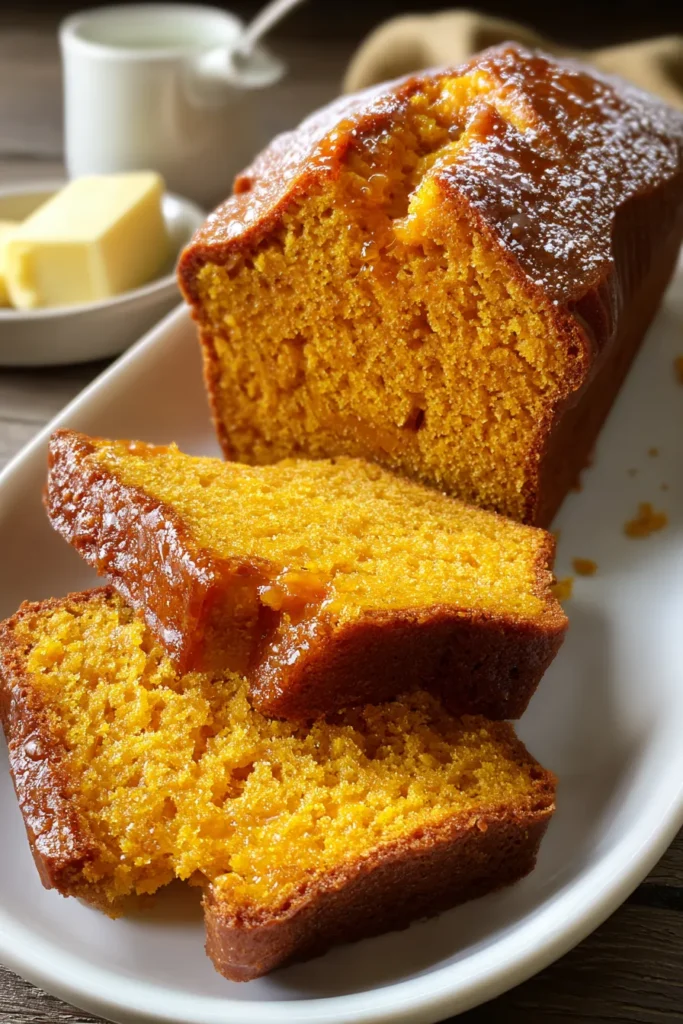

Sweet Potato Pound Cake
Description
Experience the warm spices and natural sweetness that come together in this moist sweet potato pound cake. Perfect for dessert or a cozy afternoon treat!
Ingredients
Instructions
-
Preheat your oven to 350°F (175°C). Grease and flour a 10-inch bundt pan.
-
In a medium bowl, whisk together the flour, baking powder, baking soda, cinnamon, nutmeg, ginger, and salt. Set aside.
-
In a large mixing bowl, beat the butter and sugar together until light and fluffy, about 3-5 minutes.
-
Add the eggs one at a time, beating well after each addition.
-
Mix in the mashed sweet potatoes and vanilla extract until well combined.
-
Gradually add the dry ingredients to the sweet potato mixture, alternating with the buttermilk, beginning and ending with the dry ingredients. Mix until just combined. Do not overmix.
-
Pour the batter into the prepared bundt pan and smooth the top with a spatula.
-
Bake in the preheated oven for 55-65 minutes or until a toothpick inserted into the center of the cake comes out clean.
-
Allow the cake to cool in the pan for about 15 minutes, then invert it onto a wire rack to cool completely before slicing and serving.
Note
- Sweet potatoes add moisture and natural sweetness to this delicious pound cake.
- Make sure to thoroughly cook and mash the sweet potatoes before adding them to the batter.
- For an added touch, consider glazing the cake with a simple sugar glaze or cream cheese frosting.
- This cake pairs perfectly with a cup of hot tea or coffee.
- You can replace regular butter with plant-based butter for a dairy-free version.