

White Wine Lemon Butter Sauce is that silky, tangy combination where velvety butter meets crisp white wine and zesty lemon, with fresh parsley adding a bright finish. Warm up your evenings with this intermediate-level sauce that elevates fish, chicken, or vegetables to restaurant quality. With just a few simple ingredients and a whisk, you’ll master a fancy yet foolproof emulsion. Grab your saucepan and let’s bring a burst of flavor to your dinner tonight!
Key Ingredients
Before you start whisking, gather these key ingredients that work in harmony to create a smooth, flavorful emulsion:
- 1/2 cup dry white wine: Provides acidic depth and a light, fruity base for the sauce.
- 2 tbsp fresh lemon juice: Brightens the sauce with zesty citrus tang.
- 1/4 cup unsalted butter, cold cubed: Forms a creamy emulsion when whisked gently over low heat.
- 1 minced shallot: Offers a sweet, mild onion flavor and aromatic richness.
- 1 minced garlic clove: Lends savory warmth and depth.
- 1 pinch salt: Balances flavors and enhances overall taste.
- 1 pinch black pepper: Adds a subtle kick and rounds out seasoning.
- 1 tbsp chopped fresh parsley: Finishes the sauce with a fresh, herbal touch.
How To Make White Wine Lemon Butter Sauce
Transforming these ingredients into a velvety sauce is easier than you might think. You’ll build depth of flavor by slowly reducing the wine, then carefully whisk in cold butter to create that signature creamy texture. Follow each step to ensure your sauce emulsifies perfectly, clings to your mains, and delivers a bright lemon punch balanced by aromatic shallots and garlic.
1. In a small saucepan over medium heat, sauté the minced shallot and garlic until translucent, about 2 minutes, stirring to prevent browning.
2. Pour in the dry white wine and bring to a gentle simmer, reducing it by half to concentrate the flavors.
3. Stir in the fresh lemon juice and whisk vigorously to fully incorporate citrus into the wine reduction.
4. Lower the heat to low and add the cold butter cubes one at a time, whisking constantly until each piece melts into a smooth emulsion.
5. Season with salt and black pepper, tasting and adjusting as needed for balanced flavor.
6. Remove from heat and fold in the chopped parsley, then serve immediately while warm.
Serving Suggestions
This sauce is incredibly versatile, adding gourmet flair to everything from seafood to roasted vegetables. Drizzle it generously to highlight its silky texture and lively acidity. Here are four delicious ways to serve and enjoy every drop:
- Top pan-seared salmon or baked trout with a spoonful of sauce for a restaurant-style finish.
- Drizzle over grilled chicken breasts alongside steamed asparagus to brighten up a weeknight dinner.
- Toss with steamed or roasted vegetables like green beans or Brussels sprouts for a zesty twist.
- Use as a finishing sauce for roasted potatoes or risotto, stirring gently to coat each bite.
Tips For Perfect White Wine Lemon Butter Sauce
Nailing the emulsion and flavor balance can feel daunting, but with a few insider tricks you’ll whip up flawless sauce every time. Remember that temperature control and ingredient freshness are your best friends here. Keep these notes in mind to impress your dinner guests with your saucier skills:
- Serve immediately to prevent the sauce from separating.
- Choose a dry white wine such as Sauvignon Blanc or Pinot Grigio for bright acidity.
- Keeping the butter cold helps maintain a stable emulsion.
- For extra richness, stir in a tablespoon of heavy cream after the butter.
How To Store It
Storing this sauce correctly will help preserve its silky texture and bright flavor for later enjoyment. While it’s best fresh, you can refrigerate or gently reheat leftovers with the right techniques. Here’s how to keep it tasting as good as day one:
- Refrigerate in an airtight container for up to 3 days; let it cool completely before sealing.
- Gently reheat over low heat, whisking constantly to maintain the emulsion and prevent separation.
- If the texture thickens too much, add a splash of cold wine or lemon juice to loosen and refresh the sauce.
- Avoid freezing, as ice crystals can break the delicate emulsion and alter the texture.
Frequently Asked Questions
Got questions? Here are answers to common queries about making and serving this sauce:
- Q: What type of white wine should I use for the sauce?
Choose a dry white wine such as Sauvignon Blanc or Pinot Grigio. These wines have bright acidity and minimal residual sugar, which helps the sauce maintain a clean, tangy flavor. Avoid sweet or overly oaked varieties, as they can make the sauce taste cloying or overpower the lemon.
- Q: How do I prevent the sauce from separating?
To keep the emulsion stable, start with cold, cubed butter and add it one piece at a time over very low heat, whisking continuously. Make sure the pan isn’t too hot—high heat can cause the butterfat to separate. Serve the sauce immediately after whisking in the parsley, or keep it gently warm on the lowest setting and whisk occasionally until ready to use.
- Q: Can I prepare the sauce in advance and reheat it later?
This sauce is best served fresh to preserve its silky texture. If you must prepare it ahead, cook through step 4, then transfer to a heatproof bowl set over a saucepan of barely simmering water. Whisk constantly to maintain the emulsion and add a splash of cold wine or lemon juice if it starts to thicken. Finish with parsley just before serving.
- Q: What can I substitute if I don’t have shallots on hand?
You can use half a small yellow or sweet onion finely minced as a substitute. Onions are sharper than shallots, so cook them gently for an extra minute to mellow their flavor. Garlic should still be added separately in the original amount (one clove) to maintain the intended balance of aromatics.
- Q: How can I adjust the lemon flavor if it’s too strong or too mild?
Taste the sauce after step 3 when the wine has reduced and the lemon juice is whisked in. If it’s too tart, add another cube of cold butter and whisk until smooth. If it’s too mild, add an additional teaspoon of fresh lemon juice at a time, whisking and tasting until you reach the desired brightness.
- Q: What dishes pair best with this white wine lemon butter sauce?
This versatile sauce complements seafood such as grilled shrimp, pan-seared scallops, or baked salmon. It also enhances chicken breasts, asparagus, green beans, and even roasted potatoes. Spoon it over your protein or vegetable immediately after cooking to create a restaurant-quality finish.
- Q: How do I scale the recipe for more servings?
Maintain the ingredient ratios: for every additional 1/2 cup of dry white wine, use 2 tablespoons of lemon juice, 1/4 cup of cold butter cubed, one shallot, one garlic clove, and 1 tablespoon of parsley. Choose a saucepan large enough to whisk comfortably, and be sure to add the butter slowly over low heat to preserve emulsification.
What Makes This Special
This White Wine Lemon Butter Sauce truly shines because it combines straightforward technique with bold flavors—no fancy gadgets required. The slow reduction of wine deepens the taste, while the cold butter whisked in by hand creates that luxurious, clingy emulsion. It’s zesty enough to cut through richer dishes yet silky enough to feel indulgent. Feel free to print this recipe and tuck it into your kitchen binder. Have questions, tweaks, or triumphs? Drop a comment below—I’m here to help you saucier adventures!
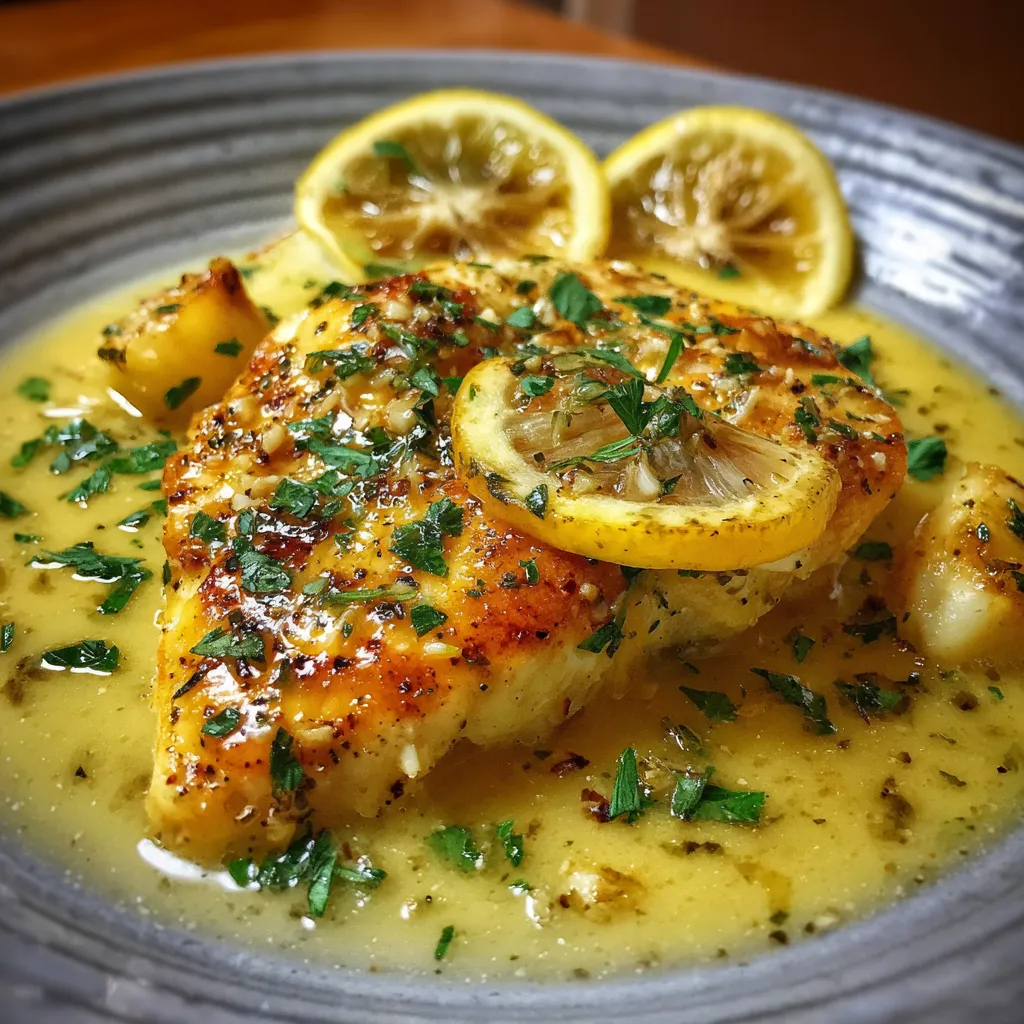

White Wine Lemon Butter Sauce
Description
This velvety lemon butter sauce begins with sautéed shallots and garlic, simmered in dry white wine, then whisked with cold butter into a creamy emulsion brightened by fresh lemon juice and parsley.
Ingredients
Instructions
-
In a small saucepan over medium heat add minced shallot and minced garlic and cook until translucent, about 2 minutes.
-
Pour in dry white wine and bring to a gentle simmer, reducing the volume by half.
-
Stir in fresh lemon juice and whisk to combine fully.
-
Lower the heat to low and add cold cubed butter one piece at a time, whisking continuously to form a smooth emulsion.
-
Season with salt and black pepper and adjust to taste.
-
Remove from heat and stir in chopped fresh parsley before serving.
Note
- Serve immediately to prevent the sauce from separating.
- Choose a dry white wine such as Sauvignon Blanc or Pinot Grigio.
- Keeping the butter cold helps achieve a stable emulsion.
- For extra richness, stir in a tablespoon of heavy cream after the butter.