

There’s something magical about slow-cooked dishes: the way they transform humble ingredients into a rich, comforting symphony of flavor. Traditional Slow-Cooked Lancashire Hotpot is a shining example of this culinary alchemy, wrapping tender chunks of lamb and earthy potatoes in a luscious, savory broth that seeps into every layer. It’s the ultimate cold-weather pick-me-up, perfect for cozy evenings gathered around the table with loved ones. As the casserole bubbles away in the oven for a couple of hours, you’ll catch yourself drawn back into the kitchen by the gentle hiss of simmering stock, the soft aroma of thyme, and the sight of golden potato slices glistening with butter.
I’ll never forget the first time I made this classic northern English dish. My grandmother’s voice echoed in my mind as she described layering the potatoes just so, tucking fresh herbs around the meat, and covering the pot tightly to trap every drop of steam. The patience required—two and a half hours of slow cooking—felt like a true test of dedication, but it was worth every second. When I finally lifted the lid, the scene before me was pure magic: meltingly tender lamb, a silky gravy infused with caramelized onions, and potatoes crisped at the edges. It felt like a warm hug on a plate, and that memory forever sealed this hotpot as one of my all-time favorite comfort meals.
KEY INGREDIENTS IN TRADITIONAL SLOW-COOKED LANCASHIRE HOTPOT
Before you dive in, let’s take a closer look at the components that make this hotpot so irresistible. Each ingredient brings its own character, from the unctuous richness of the lamb to the gentle sweetness of root vegetables and the fragrant lift of fresh herbs.
- Lamb neck fillet or shoulder
This cut is prized for its marbling and connective tissue, which break down during the long cooking time to create falling-apart-tender meat and a deeply flavored sauce.
- Waxy potatoes
These hold their shape beautifully as they slow-cook, offering a tender bite that contrasts with a slight edge of firmness. When layered on top, they form a glorious golden crust.
- Onions
Sliced and gently sautéed until soft and golden, onions contribute natural sweetness and depth, mingling with the lamb’s richness to build a complex flavor base.
- Carrots
Peeled and sliced, carrots add bursts of color, subtle sweetness, and a satisfying texture that complements the other root vegetables.
- Vegetable oil
A neutral oil used for the initial sear, helping develop a beautiful brown crust on the lamb without overwhelming the delicate flavors.
- Salt and freshly ground black pepper
Simple yet essential seasonings that enhance all the natural flavors, ensuring each bite is well-balanced and savory.
- Plain flour
Sprinkled over the vegetables to create a light roux, it helps thicken the stock gently, giving the cooking liquid a velvety consistency.
- Lamb stock
The backbone of the hotpot’s sauce, it infuses every component with rich, meaty goodness and carries the essence of slow cooking.
- Fresh thyme
Earthy and fragrant, thyme pairs beautifully with lamb, releasing aromatic oils that infuse the dish with herbal brightness.
- Bay leaf
One leaf is enough to lend a subtle, savory depth, balancing the richness and providing a hint of savory complexity.
- Butter
Dotted over the potato layer for extra richness, the butter melts into pockets of flavor, helping the top brown to a perfect crisp.
HOW TO MAKE TRADITIONAL SLOW-COOKED LANCASHIRE HOTPOT
This recipe is all about layering flavors and trusting the oven to work its magic. Follow these steps carefully, taking your time over each stage, and you’ll be rewarded with a hotpot that’s tender, flavorful, and utterly soul-warming.
1. Preheat your oven to 160°C (320°F). A gentle heat allows flavors to meld slowly without drying out the meat or vegetables.
2. In a large ovenproof casserole or Dutch oven, heat the vegetable oil over medium heat until shimmering. This creates the perfect surface for a golden sear.
3. Season the lamb generously with salt and freshly ground black pepper. Brown the lamb pieces in batches, giving each chunk room to develop a rich crust before transferring to a plate.
4. In the same pot, add the onions and sauté until softened and golden, about 5 minutes, using the lamb fond left behind to deepen the flavor.
5. Stir in the sliced carrots and cook for another 2 minutes, just long enough to start tenderizing and soaking up those savory juices.
6. Sprinkle the flour evenly over the onions and carrots, stirring well. Cook for an additional 1–2 minutes to remove any raw flour taste and form a light roux.
7. Gradually add the lamb stock, stirring constantly to prevent lumps. The mixture should thicken slightly into a glossy sauce that will envelop the lamb.
8. Return the browned lamb to the pot, nestling the pieces into the sauce. Add the fresh thyme sprigs and bay leaf, stirring gently to combine.
9. Layer the potato slices over the lamb and vegetable mixture, overlapping them evenly to create a consistent top layer.
10. Dot the surface with butter and season with a little more salt and pepper to taste. These pats of butter will help the potatoes brown.
11. Cover the casserole with a tight-fitting lid or aluminum foil, then transfer to the preheated oven to cook.
12. Cook for approximately 2–2.5 hours, until the lamb is melt-in-your-mouth tender and the potatoes are fully cooked through.
13. For a beautiful golden finish, remove the lid for the last 20–25 minutes of cooking, allowing the potato tops to crisp up slightly.
14. Remove from the oven, carefully discard the thyme sprigs and bay leaf, and let the hotpot rest for a few minutes before serving, so the layers settle and the juices redistribute.
SERVING SUGGESTIONS FOR TRADITIONAL SLOW-COOKED LANCASHIRE HOTPOT
A hotpot this hearty deserves attention when it comes to plating and presentation. These serving ideas help you showcase the rustic charm of the dish while balancing flavors and textures for a truly memorable meal.
- Serve with pickled red cabbage to introduce a vibrant pop of color and tangy acidity that cuts through the richness, bringing a refreshing contrast.
- Pair with a slice of crusty bread or a warm baguette, perfect for mopping up the luscious gravy and savoring every last drop of that tender meat sauce.
- Accompany with a side of buttery peas lightly seasoned with mint or parsley, adding a bright, herbal note and a touch of sweetness to each bite.
- Offer a drizzle of Worcestershire sauce on the table for diners to add an extra layer of umami depth, intensifying the savory profile to their liking.
HOW TO STORE TRADITIONAL SLOW-COOKED LANCASHIRE HOTPOT
Storing your hotpot correctly ensures that leftovers maintain their comforting flavors and tender textures. Whether you plan to enjoy it the next day or freeze it for a future meal, follow these tips to keep it at its best.
- Refrigeration: Allow the hotpot to cool to room temperature, then transfer to an airtight container. Stored in the fridge, it will stay fresh for up to 3 days. Reheat gently on the stove or in a moderate oven to retain moisture.
- Freezing: For longer storage, portion the cooled hotpot into freezer-safe containers or heavy-duty resealable bags. It will keep beautifully for up to 3 months. Thaw overnight in the refrigerator before reheating to ensure even warming.
- Reheating: Whether refrigerated or thawed, reheat the hotpot slowly in a covered casserole or ovenproof dish at 160°C (320°F) until bubbling hot. This prevents the lamb from drying out and helps the potatoes regain their silky texture.
- Portion Control: Freeze individual servings to simplify future meals. This way, you can defrost only what you need, reducing waste and ensuring you always have a hearty dish ready in minutes.
CONCLUSION
Recapping the journey, Traditional Slow-Cooked Lancashire Hotpot is the epitome of British comfort food. From the moment you gather your lamb neck and waxy potatoes to the joyful unveiling of a golden, bubbling top, this recipe invites patience, warms the soul, and rewards every step with layers of tender meat and melt-in-your-mouth vegetables. Its rich, savory sauce—infused with caramelized onions, aromatic thyme, and a whisper of bay leaf—creates a meal that tastes like history on a plate. You can prepare this hotpot in advance, refrigerate or freeze portions, and reheat whenever you crave a taste of home. Don’t forget to print this article or bookmark it for those chilly evenings when all you need is a bowl of hearty goodness. Below, you’ll also find a FAQ section to answer any lingering questions and troubleshoot common cooking hurdles.
I’d love to hear from you: Did your potatoes crisp up just right? How did your family react to the first spoonful? Leave your comments, questions, or tips below—whether you’re a seasoned hotpot enthusiast or trying this recipe for the first time. Sharing your feedback not only helps me refine this guide but also builds a community of home cooks passionate about wholesome, slow-cooked meals. Happy cooking, and may your kitchen always be filled with warmth and delicious aromas!
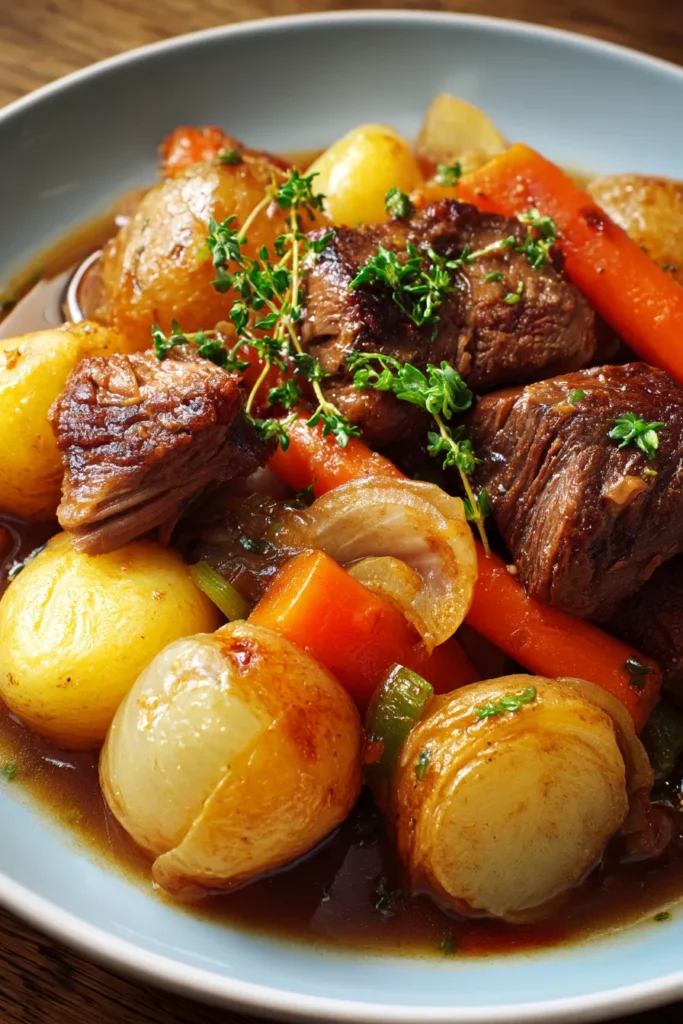

Traditional Slow-Cooked Lancashire Hotpot
Description
Savor the rich flavors of slow-cooked lamb and tender potatoes in this classic Lancashire dish. Perfect for cozy evenings, it offers a delightful mix of textures and tastes.
Ingredients
Instructions
-
Preheat your oven to 160°C (320°F).
-
In a large ovenproof casserole or Dutch oven, heat the vegetable oil over medium heat.
-
Season the lamb with salt and pepper. Brown the lamb pieces in batches to ensure a good color, then transfer to a plate.
-
In the same pot, add the onions and cook until softened and golden, about 5 minutes.
-
Stir in the sliced carrots and cook for another 2 minutes.
-
Sprinkle the flour over the onions and carrots, stir well, and cook for an additional 1-2 minutes.
-
Gradually add the lamb stock, stirring constantly to prevent lumps. The mixture should thicken slightly.
-
Add the browned lamb back into the pot, along with the thyme and bay leaf. Stir to combine.
-
Layer the potato slices over the lamb and vegetable mixture, overlapping them evenly.
-
Dot the top with butter and season with a little more salt and pepper.
-
Cover the casserole with a tight-fitting lid or foil, and transfer to the preheated oven.
-
Cook for approximately 2 - 2.5 hours, until the lamb is tender and the potatoes are fully cooked.
-
For a golden finish, remove the lid for the last 20-25 minutes of cooking, ensuring the potatoes crisp up slightly.
-
Remove from the oven, discard the thyme sprigs and bay leaf, and let it rest for a few minutes before serving.
Note
- Lancashire Hotpot is a traditional dish from northern England, perfect for warming you up on a cold day.
- Using waxy potatoes helps to preserve the shape during slow cooking.
- This dish can be prepared in advance and reheated, often tasting even better the next day.
- For added richness, consider adding a splash of Worcestershire sauce to the lamb stock.
- Serve with pickled red cabbage or crusty bread for a complete meal.