

There’s something undeniably comforting about sinking your teeth into a thick, chewy slice of cafeteria-style pizza. Those rectangular trays piled high with cheese and sauce weren’t just lunchroom staples—they were the shared experiences that bonded classmates and sparked lunchtime chatter. Recreating that nostalgic slice in your own kitchen transports you back to lunch lines, swapped crust corners, and sticky fingers reaching for just one more bite before the bell rang. It’s not just a meal; it’s a story, a memory, a warm feeling wrapped in melted cheese and a golden crust.
When you bring this recipe to life at home, you’re doing more than whipping up dinner—you’re stirring up memories and creating new ones for everyone at the table. The familiar tang of pizza sauce, the comforting stretch of mozzarella, and the playful kick of cheddar all come together to deliver that classic cafeteria vibe. And the best part? You get to tailor every element to your liking: extra cheese, crisp vegetables, or spicy pepperoni—your playground of flavors awaits. Gather your ingredients, roll up your sleeves, and prepare for a slice of pure nostalgia that’s destined to become a modern household favorite.
KEY INGREDIENTS IN SCHOOL CAFETERIA PIZZA
Before diving into the dough and cheese, let’s meet the stars of this recipe. Each component contributes its own unique texture and flavor, working together to recreate those beloved cafeteria slices. Here’s what you’ll need:
- Warm Water
Acts as the liquid foundation that activates the yeast. The gentle warmth encourages the yeast to bloom, giving the crust that signature rise and airy structure.
- Sugar
Feeds the yeast during proofing, ensuring a lively fermentation. It also adds a slight hint of sweetness that balances the savory sauce.
- Active Dry Yeast
The magical leavening agent that makes the dough rise and become light and fluffy. Properly activated yeast leads to that tender, pillowy crust.
- All-Purpose Flour
Provides the bulk and structure of the dough. Its gluten content gives elasticity, resulting in a chewy bite that holds up under hearty toppings.
- Salt
Enhances flavor and regulates yeast activity. A small amount keeps the dough from over-proofing and brings out the natural flavors of the other ingredients.
- Vegetable Oil
Moisturizes the dough and contributes to a tenderness in the crust. It also helps create a slightly crisp exterior when baked.
- Pizza Sauce
Lends tangy, tomato-rich flavor and moisture to each bite. Mixing in herbs like oregano or basil can take it even closer to your favorite cafeteria style.
- Mozzarella Cheese
Known for its stretchy melt and mild, milky taste. It blankets the sauce in gooey perfection and pulls into those iconic cheese strands.
- Cheddar Cheese
Adds a sharper, nuttier flavor contrast. When blended with mozzarella, it creates a deeper, more complex cheese profile.
- Toppings of Choice
Pepperoni, sausage, or veggies let you customize each corner of the pie. They add texture, extra seasoning, and a fun personal touch.
HOW TO MAKE SCHOOL CAFETERIA PIZZA
Rolling out a perfect cafeteria-style pizza involves a few key techniques—proofing, kneading, rolling, and topping. Follow each step carefully and don’t rush the dough—it needs time to develop that lovely elasticity and flavor.
1. In a large mixing bowl, combine the warm water and sugar. Stir gently until the sugar is fully dissolved, creating a welcoming environment for the yeast.
2. Sprinkle the active dry yeast over the surface of the water. Let it sit undisturbed for about 5 minutes, until it turns bubbly and frothy, signaling that the yeast is alive and active.
3. Add the all-purpose flour, salt, and vegetable oil to the yeast mixture. Mix with a wooden spoon or your hands until a shaggy dough forms that starts to pull away from the sides of the bowl.
4. Transfer the dough to a floured surface and knead vigorously for 8 to 10 minutes. You’re aiming for a smooth and elastic texture—press with the heel of your hand, fold, and repeat.
5. Place the kneaded dough into a lightly oiled bowl. Cover it with a damp cloth and set it in a warm spot. Let it rise undisturbed for about 1 hour, until it has doubled in size.
6. While the dough rises, preheat your oven to 475°F (245°C) and grease a large baking sheet with a bit of oil to prevent sticking.
7. Once risen, punch down the dough to release excess air. Roll it out on a lightly floured surface until it fits your baking sheet with even thickness.
8. Spread the pizza sauce evenly over the rolled-out dough, leaving a small border for the crust. Use the back of a spoon to create a consistent layer.
9. Sprinkle the shredded mozzarella and cheddar cheeses over the sauce, making sure to cover every inch for that classic cafeteria look.
10. Arrange your chosen toppings—pepperoni, sausage, or vegetables—evenly across the cheese layer to ensure each slice is loaded with flavor.
11. Bake in the preheated oven for 15 to 20 minutes, or until the crust turns golden brown and the cheese is bubbling with delight.
12. Remove from the oven and allow the pizza to cool for a few minutes before slicing. This brief rest helps the cheese set just enough for clean, satisfying slices.
SERVING SUGGESTIONS FOR SCHOOL CAFETERIA PIZZA
Serving your homemade cafeteria pizza is as much about presentation as it is about flavor. Whether you’re feeding a crowd or enjoying a quiet dinner, these tips will make your slices shine at the table. From plating ideas to complementary sides, you’ll feel like the lunchroom hero all over again.
- Classic Lunch Tray Setup
Serve your pizza on a segmented tray alongside carrot sticks, apple slices, and a small cup of ranch or marinara dipping sauce. The nostalgic compartments bring back school memories and make portioning a breeze.
- Family-Style Sharing Platter
Arrange pizza slices on a large wooden board with piles of fresh basil leaves and a sprinkle of red pepper flakes. Encourage everyone to grab and share, fostering that communal cafeteria atmosphere right in your dining room.
- Mini Personal Pizzas
Cut the dough into individual portions before rolling. Each person rolls out their own mini crust and adds toppings. This interactive approach transforms dinner into a fun group activity.
- Pair with Refreshing Drinks
Offer chilled lemonade, iced tea, or fruity soda floats. The cold, fizzy beverages cut through the rich cheese, making each bite feel light and vibrant.
HOW TO STORE SCHOOL CAFETERIA PIZZA
Keeping your leftover slices just as delicious as the day you baked them requires proper storage. Whether you’re saving slices for tomorrow’s lunch or freezing extras for a lazy evening, these methods will maintain the taste and texture you love. Proper wrapping, temperature control, and reheating techniques ensure every slice stays fresh.
- Room-Temperature Short-Term
If you plan to eat the pizza within a few hours, cover the tray with a clean kitchen towel. This prevents the crust from drying out while allowing slight air circulation to keep the cheese from getting rubbery.
- Refrigerator Storage
Wrap individual slices tightly in plastic wrap or place them in an airtight container. Store in the fridge for up to 3–4 days. When ready to eat, reheat in a warm oven or a skillet with a lid so the crust regains its crispness.
- Freezer Method
For longer storage, flash-freeze slices on a parchment-lined tray until solid, then transfer to a zip-top bag or freezer container. Storing this way prevents ice crystals and freezer burn. Frozen slices stay good for up to 2 months.
- Optimal Reheating
Reheat slices in a preheated oven at 375°F (190°C) on a baking sheet for 8–10 minutes, or until the cheese melts and the crust crisps. Alternatively, warm in a covered skillet over medium heat for a crispy base and gooey topping.
CONCLUSION
This homemade School Cafeteria Pizza recipe brings the magic of your school lunchroom right into your kitchen. From the first rise of the dough to that final golden-brown bake, you’ve walked through every step of crafting a thick, hearty crust and layering it with tangy sauce, a blend of cheeses, and your favorite toppings. It’s a dish that celebrates nostalgia while letting you put your personal twist on a classic. Remember the joy of those rectangular cafeteria slices? Now you can recreate and share it with family and friends, making new memories over every cheesy bite.
Feel free to print this article for your recipe binder or save it for a weekend pizza party. You’ll find a handy FAQ below to answer any last-minute questions you might have about dough elasticity, topping variations, or storage tips. If you give this recipe a try, drop a comment or question—I’d love to hear how your pizza turns out or help troubleshoot any part of the process. Happy baking, and here’s to many more delicious, nostalgic slices!
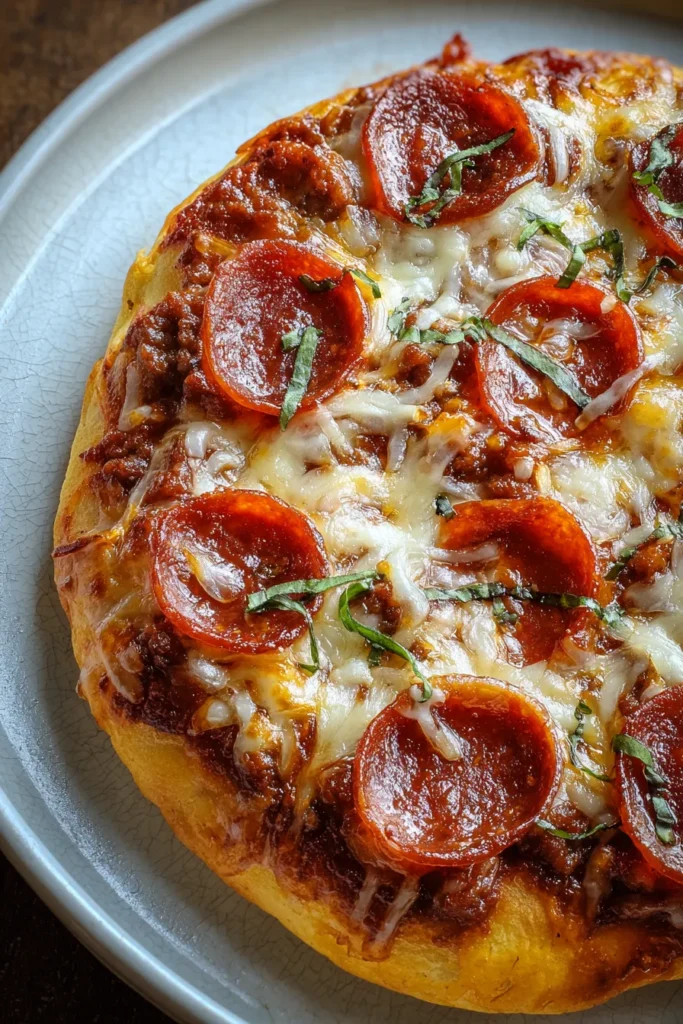

School Cafeteria Pizza
Description
This School Cafeteria Pizza brings back memories with its thick crust, bubbling cheese, and customizable toppings. A perfect recipe for family dinners or nostalgic gatherings!
Ingredients
Instructions
-
In a large mixing bowl, combine the warm water and sugar. Stir until the sugar is dissolved.
-
Sprinkle the yeast over the water and let it sit until the yeast gets bubbly, about 5 minutes.
-
Add the flour, salt, and vegetable oil to the yeast mixture. Mix until a dough forms.
-
Knead the dough on a floured surface for about 8-10 minutes or until smooth and elastic.
-
Place the dough in a lightly oiled bowl, cover it with a damp cloth, and let it rise in a warm place until it doubles in size, about 1 hour.
-
Preheat your oven to 475°F (245°C). Grease a large baking sheet.
-
Punch down the dough and roll it out to fit the baking sheet.
-
Spread the pizza sauce evenly over the dough.
-
Sprinkle the mozzarella and cheddar cheeses over the sauce.
-
Add your choice of toppings evenly across the pizza.
-
Bake in the preheated oven for 15 to 20 minutes or until the crust is golden and the cheese is bubbly.
-
Allow the pizza to cool for a few minutes before slicing and serving.
Note
- This recipe mimics the classic school cafeteria pizza slice, bringing a taste of nostalgia.
- Feel free to customize the toppings to suit your taste preferences.
- For a different flavor profile, try mixing herbs like oregano or basil into the pizza sauce.
- Double the recipe for a larger crowd or for leftovers to enjoy later.