

There’s something incredibly comforting about slicing into a loaf of freshly baked Rustic Artisan Einkorn Bread. Its crackling crust gives way to a warm, chewy interior that practically begs for a swipe of creamy butter or a drizzle of golden honey. The gentle nutty notes of einkorn flour shine through, creating a flavor profile that feels both grounded and sophisticated. As you lift that first slice, you might catch a whiff of sweet grains mingling with the earthiness of sea salt—simple ingredients elevating your kitchen into a home bakery.
Baking this loaf is like welcoming an old friend into your home. With just a handful of pantry staples and minimal hands-on time, you’ll achieve a loaf worthy of lunch, dinner, or even a cozy weekend brunch. The process is wonderfully forgiving: a no-knead approach allows the dough to develop its character during an overnight rest, while the magic of steam in a preheated Dutch oven creates that signature rustic crust. Whether you’re a baking newbie or a seasoned pro, this beginner-friendly recipe delivers stunning results, with about 15 minutes of active prep, a 12–18 hour fermentation, and 40–45 minutes of baking transforming humble flour and water into pure satisfaction. Slice into one of 16 generous servings (around 120 calories per slice) and revel in the simple joy of homemade bread.
KEY INGREDIENTS IN RUSTIC ARTISAN EINKORN BREAD
Before we dive into the step-by-step, let’s get acquainted with the stars of this recipe. Each ingredient plays a crucial role in crafting that perfect balance of flavor, texture, and structure. From the wholesome base to the little touches that create a crackly crust, here’s what you need and why it matters:
- Whole Grain Einkorn Flour
This ancient wheat variety offers a slightly sweet, nutty taste and a tender crumb. Its lower gluten content means a lighter, more digestible loaf, and it’s the heart of our recipe, providing both flavor and character.
- Sea Salt
More than just seasoning, sea salt strengthens the dough’s gluten structure during fermentation and enhances the natural sweetness of the einkorn flour. It’s the flavor anchor that keeps everything balanced.
- Instant Yeast
Quick-acting and reliable, instant yeast jump-starts fermentation without requiring a long proofing or sponge. It helps your dough rise beautifully overnight, creating those delightful bubbles and a light crumb.
- Warm Water
At around 100°F, warm water activates the yeast while gently hydrating the flour. This temperature range encourages an even rise and helps the dough develop its signature shaggy texture.
- Cornmeal or Additional Flour for Dusting
A light dusting on your parchment or baking surface prevents sticking and adds rustic charm. The tiny grains of cornmeal also create a subtle crunch under the crust.
HOW TO MAKE RUSTIC ARTISAN EINKORN BREAD
Now that you know your ingredients, let’s talk about transforming them into a gorgeous, crusty loaf. This recipe embraces a no-knead approach, relying on time and gentle folding to build structure and flavor. Here’s how it’s done:
1. In a large mixing bowl, whisk together the einkorn flour, sea salt, and instant yeast until they’re evenly distributed. This initial step ensures every bite has the perfect balance of seasoning and lift.
2. Gradually pour in the warm water, stirring with a sturdy wooden spoon until a shaggy ball of dough forms. Be careful not to overmix; you want a somewhat loose, sticky dough that still holds together.
3. Cover the bowl with a clean kitchen towel or plastic wrap, then let the dough rise at room temperature for 12–18 hours. You’re looking for a noticeable doubling in size and a bubbly surface that signals plenty of fermented flavor.
4. Generously flour your work surface and gently turn out the dough. Use a couple of gentle folds to round it into a loose ball, taking care not to deflate all those precious air pockets.
5. Line a baking sheet or pizza peel with parchment paper and dust it with cornmeal or extra flour. Place the dough seam side down on the prepared surface.
6. Cover the dough again and allow a second rise of 1–2 hours, until it’s noticeably puffed up and springy.
7. Preheat your oven to 450°F (230°C), placing a Dutch oven or heavy oven-safe pot with its lid inside to heat up for about 30 minutes.
8. Carefully remove the blazing-hot Dutch oven, lift off the lid, and transfer your dough (with the parchment) into the pot, handling it swiftly and safely.
9. Cover the pot and bake the bread for 30 minutes. Then, remove the lid and continue baking for an extra 10–15 minutes, until the crust is deep golden and the loaf sounds hollow when tapped.
10. Lift the bread out and let it cool completely on a wire rack before slicing. This rest ensures a fully set crumb and perfect texture with every slice.
SERVING SUGGESTIONS FOR RUSTIC ARTISAN EINKORN BREAD
Once you’ve achieved that gorgeous loaf, the fun really begins. This bread’s nutty flavor and satisfying chew make it a star partner for a wide range of dishes. Whether you’re assembling lunch, planning a cozy dinner, or craving a midnight snack, there’s a way to serve this loaf that will make you smile from the first bite. Here are a few of my absolute favorite pairings and presentations to get your creativity flowing:
- Open-Faced Brunch Toast
Top a thick slice with creamy avocado smashed with a pinch of sea salt, a drizzle of olive oil, and a sprinkle of red pepper flakes. Bright cherry tomatoes or a poached egg take this simple start to a next-level meal.
- Classic Warm Butter Spread
Right out of the oven, allow two minutes of cooling before slathering each slice with salted butter. The heat from the bread melts it into every little crevice, creating pure, indulgent joy.
- Sweet Honey and Cinnamon Drizzle
Toast thin slices until lightly golden, then brush with melted butter and sprinkle with a cinnamon-sugar blend. Finish with a ribbon of honey for a dessert-like twist that’s perfect with tea or coffee.
- Cheese Board Companion
Arrange slices alongside a selection of cheeses—think aged cheddar, tangy goat cheese, or a creamy Brie. Add olives, cured meats, and a few grapes for a rustic platter that’s begging to be shared.
HOW TO STORE RUSTIC ARTISAN EINKORN BREAD
Maintaining that crisp crust and tender crumb requires a little care once the baking thrill is over. Homemade bread lacks the preservatives of store-bought loaves, so proper storage is key to keeping each slice as delightful as the day it came out of the oven. With these simple strategies, you can stretch the life of your einkorn artisan loaf without sacrificing flavor or texture:
- Room Temperature Storage
Wrap the loaf in a clean, breathable linen cloth or place it in a bread box. This method preserves the crust’s crunch for up to two days while allowing just enough airflow to prevent sogginess.
- Airtight Bag for Short-Term
After the first day, transfer any leftover slices to a resealable plastic bag, pressing out excess air. This seals in moisture and keeps the crumb soft for an additional day or two.
- Freezing for Longer Keeping
Slice the loaf before freezing so you can pull out individual portions as needed. Wrap slices or the whole loaf tightly in plastic wrap and then in aluminum foil or a freezer bag. It will keep for up to three months; simply thaw at room temperature or toast directly from frozen.
- Reviving the Crust
To refresh a slightly stale loaf, spritz the crust lightly with water and bake at 350°F (175°C) for 5–8 minutes. You’ll hear that satisfying crackle return, giving you “fresh-baked” results in minutes.
CONCLUSION
Baking Rustic Artisan Einkorn Bread is more than just following a recipe—it’s an opportunity to slow down, savor the simple magic of fermentation, and celebrate honest ingredients. From the moment you whisk together einkorn flour, sea salt, and instant yeast to the triumphant crack of a golden crust emerging from your Dutch oven, you’re participating in a time-honored tradition. This loaf’s nutty, slightly sweet flavor and chewy interior make it a versatile companion for lunch, dinner, or any snack in between. With just 15 minutes of active prep, a leisurely 12–18 hour rest, and about 40–45 minutes of bake time, you’ll have a beginner-friendly artisan masterpiece in your hands. Remember that each slice holds around 120 calories, making it a hearty, wholesome addition to any meal.
Feel free to print this article and save it for later use so your next baking session is as smooth as possible. You can also find a FAQ below to help troubleshoot any questions that pop up along the way. I’d love to hear how your loaf turns out—drop a comment, share your tips, or ask any questions if you need a hand. Happy baking, and may your kitchen always be filled with the irresistible aroma of fresh-baked einkorn bread!
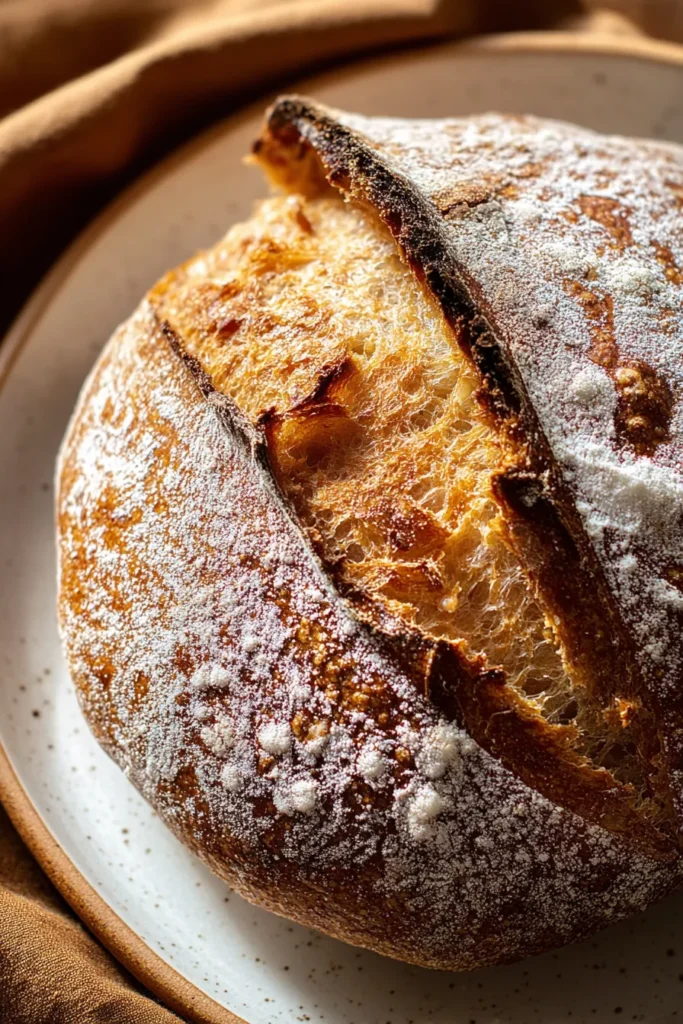

Rustic Artisan Einkorn Bread
Description
This Artisan Einkorn Bread is a delightful blend of nutty flavors and a chewy crust, showcasing the beauty of simple, honest ingredients in every bite.
Ingredients
Instructions
-
In a large mixing bowl, whisk together the einkorn flour, sea salt, and instant yeast until well combined.
-
Gradually add the warm water to the dry ingredients, stirring with a wooden spoon until a shaggy ball forms. Do not overmix; the dough will be sticky and somewhat loose.
-
Cover the bowl with a clean kitchen towel or plastic wrap, and let the dough rise at room temperature for 12-18 hours. The dough is ready when it has doubled in size and appears bubbly on the surface.
-
Generously flour a work surface and gently turn out the dough, folding it just a few times to form a loose ball. Be gentle to avoid deflating the dough.
-
Line a baking sheet or a pizza peel with parchment paper and dust with cornmeal or flour. Place the dough on the prepared surface, seam side down.
-
Cover the dough with the towel and let it rise for another 1-2 hours until it has puffed up.
-
Preheat the oven to 450°F (230°C), and place a Dutch oven or heavy oven-proof pot with its lid inside the oven to heat up for about 30 minutes.
-
Carefully remove the hot Dutch oven from the oven, remove the lid, and quickly and gently transfer the dough, along with the parchment paper, into the pot.
-
Cover the pot with the lid and bake for 30 minutes. Then remove the lid and bake for an additional 10-15 minutes, or until the bread is golden brown and sounds hollow when tapped on the bottom.
-
Remove the bread from the pot and allow it to cool completely on a wire rack before slicing.
Note
- Einkorn flour has a slightly sweet and nutty flavor, which adds a unique taste to this bread.
- This recipe does not require kneading, making it perfect for those who enjoy simple, hands-off bread making.
- The lengthy fermentation time enhances the natural flavors and textures of the einkorn flour.
- This bread pairs wonderfully with a variety of toppings, such as butter, honey, or cheese.
- Always allow the bread to cool fully before slicing to ensure the best texture and crumb.