

If you're craving a dessert that's equal parts tangy, creamy, and delightfully airy, the Lemon Cheesecake Cake is your answer. This delightful creation combines zesty lemon-infused cheesecake beneath a pillowy sponge, all resting on a buttery crumb crust that sings with bright citrus notes. With each bite, you'll experience a harmonious blend of velvety cream cheese filling and moist cake layers that burst with flavor—definitely one to bookmark!
Key Ingredients
Let's meet the stars of our Lemon Cheesecake Cake, each bringing its own magic to create that perfect balance of texture and taste:
- 200 g digestive biscuits: Provides a sturdy, crunchy crust base that holds all those creamy layers.
- 100 g unsalted butter: Binds the biscuit crumbs into a golden, buttery foundation.
- 300 g cream cheese: Delivers the rich, smooth cheesecake layer with that classic tang.
- 80 g sugar: Sweetens the cheesecake filling just enough without overpowering the lemon zing.
- 1 large egg: Helps set the cheesecake, giving it structure and silkiness.
- 2 teaspoons lemon zest: Infuses bright citrus aroma directly into the filling.
- 1 tablespoon lemon juice: Adds tangy depth and cuts through the richness.
- 150 g all-purpose flour: Forms the tender sponge layer atop the cheesecake.
- 1 teaspoon baking powder: Gives the cake its gentle lift and airy crumb.
- 1/4 teaspoon salt: Balances sweetness and enhances overall flavor.
- 2 large eggs: Enrich the cake batter for a soft, moist texture.
- 100 g sugar: Sweetens the sponge layer for perfect harmony.
- 60 ml milk: Moistens the batter and contributes to tenderness.
- 60 ml vegetable oil: Keeps the cake extra moist and light.
- 1 teaspoon vanilla extract: Rounds out flavors with warm, aromatic notes.
How To Make Lemon Cheesecake Cake
Ready to assemble this dreamy dessert? We’ll start with the crust, move to the creamy cheesecake layer, and finish with a fluffy sponge—all in one pan. Follow the detailed steps below to ensure each layer bakes to perfection, then chill it thoroughly for that satisfying slice.
1. Preheat the oven to 175°C and grease a 20 cm springform pan, lining the base with parchment paper to ensure easy removal.
2. Crush the digestive biscuits into fine crumbs and stir in the melted butter until well combined. Press the mixture firmly into the bottom of the pan to form an even crust, then bake for 10 minutes. Remove and let it cool slightly so the butter sets.
3. In a bowl, beat the cream cheese with 80 g sugar, 1 egg, lemon zest, and lemon juice until completely smooth and lump-free. Spread this cheesecake mixture evenly over the cooled crust.
4. Whisk together the flour, baking powder, and salt in a separate bowl to aerate the dry ingredients. In another bowl, beat 2 eggs with 100 g sugar, milk, vegetable oil, and vanilla extract until well combined and slightly foamy.
5. Gradually fold the dry mixture into the wet ingredients using a spatula, mixing just until a smooth cake batter forms. Pour the batter carefully over the cheesecake layer, smoothing the top with a spatula.
6. Bake for 45–50 minutes, until the edges are set and beginning to pull away from the pan, while the center remains slightly wobbly. Turn off the oven, leave the door ajar, and let the cake rest inside for 1 hour to cool down gradually.
7. Chill the cake in the refrigerator for at least 4 hours or preferably overnight. Once fully set, remove the springform ring and slice with a sharp knife for neat, clean pieces.
Serving Suggestions
Once your Lemon Cheesecake Cake is perfectly chilled and sliced, here are some fun ways to serve it:
- Whipped Cream Dollop: Top each slice with a generous spoonful of lightly sweetened whipped cream to complement the tang.
- Fresh Berry Medley: Arrange raspberries, blueberries, or strawberries around the cake for a pop of color and extra juiciness.
- Candied Lemon Slices: Decorate the platter with thin lemon slices simmered in sugar syrup, adding both brightness and elegance.
- Coffee or Tea Pairing: Serve with a cup of strong espresso or a fragrant Earl Grey to balance the cake’s creaminess.
Tips For Perfect Lemon Cheesecake Cake
Nailing this two-in-one dessert is all about attention to detail and patience. Keep these friendly pointers in mind to elevate your baking game:
- Use full-fat cream cheese for a rich and creamy texture.
- Ensure all ingredients are at room temperature for a smoother batter and even baking.
- Chill the cake fully before slicing to achieve clean, neat slices that hold their shape.
- Store any leftovers covered in the refrigerator for up to 3 days to maintain freshness and flavor.
How To Store It
Proper storage ensures your Lemon Cheesecake Cake stays just as delightful a day after baking:
- Refrigeration in an airtight container: Store the whole cake or individual slices in a sealed container to prevent it from absorbing fridge odors.
- Plastic wrap: For extra protection, wrap the cake (or slices) tightly in plastic wrap before placing in a container.
- Freezer storage: Wrap slices in plastic wrap, then in foil, and freeze for up to one month.
- Thawing: Move frozen portions to the refrigerator overnight before serving to retain moisture and texture.
Frequently Asked Questions
Here are answers to common queries about the Lemon Cheesecake Cake:
- How do I know when the crust is properly baked before adding the cheesecake layer?
The crust should be lightly golden and firm to the touch after baking for 10 minutes. It shouldn’t be deeply browned; it only needs enough structure to hold the cheesecake layer. Remove it from the oven and let it cool slightly so the butter sets before spreading the cream cheese mixture on top.
- Can I use a different type of biscuit instead of digestive biscuits?
Yes. Graham crackers, shortbread cookies, or golden Oreos (without filling) are suitable substitutes. Use the same total weight (200 g) and crush them into fine crumbs. The ratio of crumbs to melted butter (100 g) remains the same to ensure the crust binds properly.
- Why is it important to let the cake rest in the turned-off oven with the door ajar for one hour?
Allowing the cake to cool gradually prevents a sudden temperature change that can cause cracking, especially between the cheesecake and cake layers. This slow cooling helps the center set more evenly and maintains the cake’s delicate texture.
- What’s the best way to tell when the cake is done baking?
After 45–50 minutes, the edges of the cake should be set and slightly pulled away from the pan, while the center remains slightly wobbly—like softly jiggling gelatin. If you insert a toothpick into the cake layer (not through to the crust), it should come out with moist crumbs but not wet batter.
- My ingredients aren’t all at room temperature. How should I adjust?
Room-temperature ingredients blend more smoothly, preventing lumps and overmixing. If your cream cheese, eggs, or milk are cold, remove them from the fridge about 30 minutes before you start. You can also warm milk gently in the microwave for 10–15 seconds, but don’t let it get hot.
- How can I store or freeze leftovers, and how long will they keep?
After chilling the cake for at least 4 hours (or overnight), cover it well and store in the refrigerator for up to 3 days. To freeze, wrap the cake (or individual slices) tightly in plastic wrap and then foil; freeze for up to one month. Thaw covered in the refrigerator overnight before serving.
- What’s the trick to getting clean, neat slices when serving?
Chill the cake until it’s fully set. Use a sharp knife warmed under hot water and wiped dry between cuts. Slice in one smooth motion without sawing, and wipe the blade clean after each slice to maintain sharp edges.
What Makes This Special
The Lemon Cheesecake Cake stands out because it marries two beloved desserts into one showstopper: a tangy cheesecake layer topped with a pillowy sponge, all on a buttery crumble crust. Its playful contrast of textures and bright citrus pop makes every bite a party in your mouth. Feel free to print this article and tuck it into your favorite recipe binder—this is one you’ll want on repeat. Drop a comment if you try it or have any questions; I’d love to hear how your cake turns out!
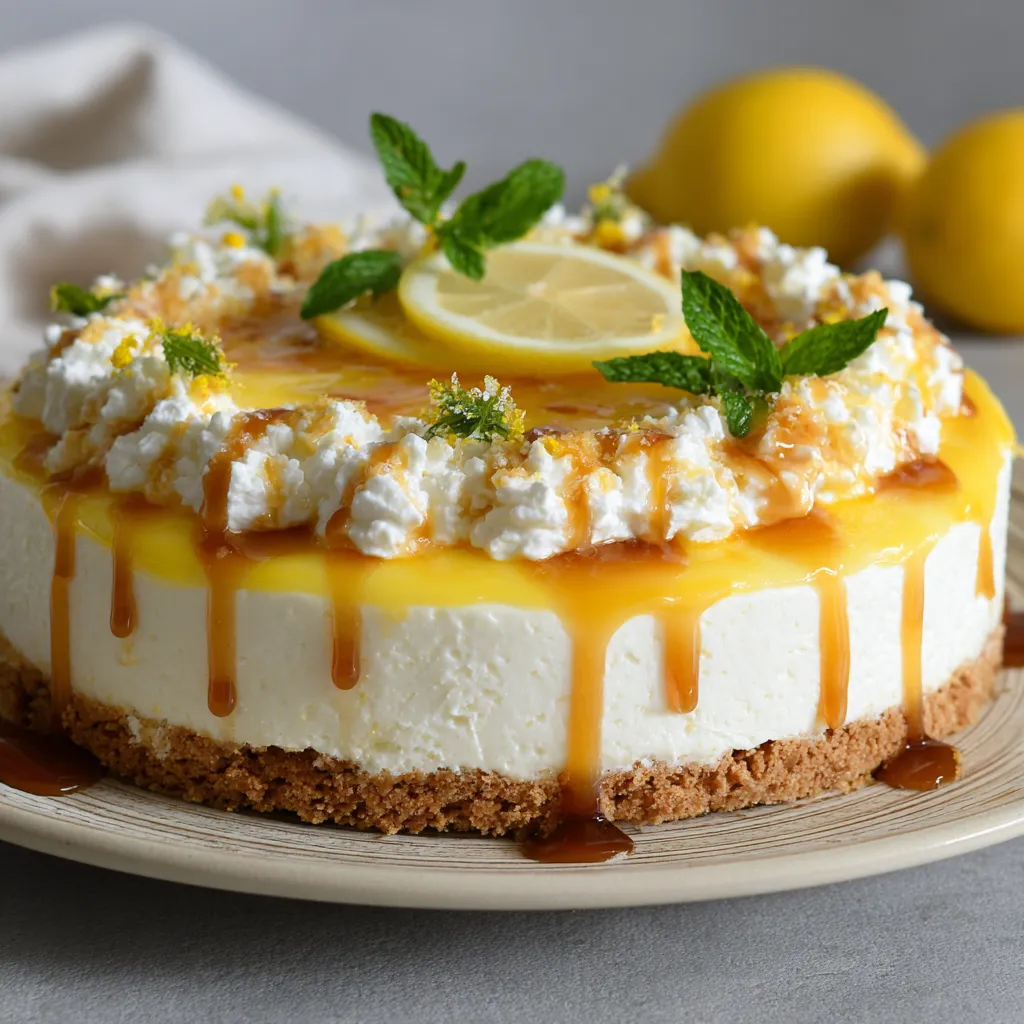

Lemon Cheesecake Cake
Description
This cake marries tangy lemon-infused cheesecake with a tender, moist sponge layer. From crumbly buttery base to creamy, citrus-kissed filling and fluffy topping, each bite bursts with bright, velvety flavor.
Ingredients
Instructions
-
Preheat the oven to 175°C and grease a 20 cm springform pan, lining the base with parchment paper.
-
Crush the digestive biscuits into fine crumbs and stir in the melted butter. Press the mixture firmly into the bottom of the pan and bake for 10 minutes. Remove and let cool slightly.
-
In a bowl, beat the cream cheese with 80 g sugar, 1 egg, lemon zest, and lemon juice until completely smooth. Spread this cheesecake layer evenly over the cooled crust.
-
Whisk together the flour, baking powder, and salt in a separate bowl. In another bowl, beat 2 eggs with 100 g sugar, milk, vegetable oil, and vanilla extract until well combined.
-
Gradually fold the dry ingredients into the wet mixture until a smooth cake batter forms. Carefully pour the batter over the cheesecake layer, smoothing the top.
-
Bake for 45–50 minutes, until the cake is set around the edges but still slightly wobbly in the center. Turn off the oven, leave the door ajar, and let the cake rest for 1 hour.
-
Chill the cake in the refrigerator for at least 4 hours or overnight before removing the springform ring and slicing.
Note
- Use full-fat cream cheese for a rich and creamy texture.
- Ensure all ingredients are at room temperature for a smoother batter.
- Chill the cake fully before slicing to achieve clean, neat slices.
- Store any leftovers covered in the refrigerator for up to 3 days.