

Healthy Sauteed Vegetables is a vibrant skillet of crisp, garlicky veggies that makes a quick, healthy veggie fix. Bright broccoli, carrots, peppers, and zucchini sizzle in olive oil with minced garlic, then finish with fresh parsley for a pop of flavor. Each tender-crisp bite bursts with nutrients and color, making dinner both nourishing and fun to prepare. This beginner-friendly, vegetarian, one-pan meal comes together in just minutes—perfect for busy weeknights or whenever you need a wholesome side. Give it a try and watch these humble veggies shine!
Key Ingredients
To whip up these Healthy Sauteed Vegetables, you’ll need a handful of fresh ingredients that come together effortlessly in one skillet.
- 1 tbsp olive oil: Adds a silky base that helps transfer heat evenly and carries the garlic flavor throughout the veggies.
- 2 cloves garlic, minced: Infuses the dish with garlicky aroma and depth of flavor when sautéed gently.
- 1 cup broccoli florets: Provides crunch and vibrant green color, packed with vitamins and fiber.
- 1 cup carrots, sliced: Brings natural sweetness and bright orange hue to balance the flavors.
- 1 cup bell peppers, sliced: Adds a pop of color and a mild, sweet peppery taste.
- 1/2 cup zucchini, sliced: Offers a tender texture and soaks up the garlicky oil perfectly.
- 1/4 tsp salt: Enhances the natural flavors and balances the sweetness of the vegetables.
- 1/4 tsp black pepper: Brings a gentle heat and earthy note to round out the seasoning.
- 1 tbsp fresh parsley, chopped: Finishes the dish with a burst of freshness and herbal brightness.
How To Make Healthy Sauteed Vegetables
Let’s dive into the simple steps to transform these fresh ingredients into a colorful, nutrient-packed skillet delight. With a hot pan, aromatic garlic, and just a handful of minutes, you’ll end up with vegetables that are tender-crisp and flavorful. Follow each step closely to achieve the perfect balance between texture and taste.
1. Heat the olive oil in a large skillet over medium heat until it shimmers, which helps prevent sticking and promotes even cooking.
2. Add the minced garlic and stir continuously for about one minute, just until you notice a light aroma—avoid browning to prevent bitterness.
3. Toss in the broccoli florets, carrot slices, and bell pepper slices. Stir to coat each piece in oil, then cook for about four minutes, stirring occasionally, until they begin to soften and develop a slight char on the edges.
4. Stir in the zucchini slices, then sprinkle the salt and black pepper evenly over the vegetables. Continue to sauté for an additional three minutes, keeping the veggies in motion so they stay tender-crisp without becoming soggy.
5. Remove the pan from heat, stir in the fresh parsley, and allow the residual heat to wilt the herbs—this final touch brightens the dish before serving.
Serving Suggestions
These Healthy Sauteed Vegetables shine on their own as a light meal or side. From pairing with grains to topping proteins, these versatile veggies can complement any table. The natural juices from sautéing create a subtle sauce that clings to everything you serve alongside, making each bite full of flavor. Whether you’re building a bowl, filling a wrap, or simply enjoying them straight from the skillet, these vegetables will add color, nutrition, and crisp-tender satisfaction to your plate.
- Grain Bowl Upgrade: Spoon the vegetables over cooked quinoa or brown rice, drizzle with a dash of soy sauce or a light vinaigrette to create a hearty bowl.
- Protein Pairing: Serve alongside grilled chicken, fish, or tofu to add a colorful, nutrient-packed side that complements lean proteins.
- Pasta Toss: Mix the warm veggies into hot whole-wheat or chickpea pasta, finish with a sprinkle of grated Parmesan or nutritional yeast for a satisfying twist.
- Taco or Wrap Filling: Use the sautéed blend as a fresh vegetarian taco or wrap filling, adding salsa, avocado slices, or a dollop of Greek yogurt for extra creaminess.
Tips For Perfect Healthy Sauteed Vegetables
Whether you’re new to sautéing or just looking to elevate your veggie game, these friendly tips will help you get the best texture and flavor every time. From choosing the freshest produce to timing the cooking just right, small tweaks can make a big difference. Feel free to experiment with seasonal swaps or extra seasonings, and remember that a little practice goes a long way. Keep these pointers in mind before you heat the skillet, and you’ll be on your way to crisp-tender perfection on the first try.
- Use fresh vegetables to maximize flavor and nutrients.
- Feel free to substitute vegetables based on seasonal availability.
- Avoid overcooking to preserve texture and vitamins.
- Serve immediately to enjoy optimal taste and temperature.
How To Store It
If you have leftovers or want to prepare ahead, proper storage is key to maintaining that fresh, vibrant taste and texture. These sautéed vegetables keep well in the fridge or freezer, but taking a few extra steps—like cooling them quickly and storing in airtight containers—helps lock in moisture and color. Follow the methods below to preserve both flavor and nutritional value, so you can enjoy them again without sacrificing quality.
- Store in an airtight container in the refrigerator for up to 4 days. Allow vegetables to cool slightly before sealing to prevent condensation.
- Freeze cooled vegetables in a zip-top bag or airtight container for up to 2 months. Lay flat to save space and thaw gently in the fridge overnight.
- Reheat over medium heat in a skillet to maintain crisp-tender texture, adding a splash of water or oil if they dry out.
- Refresh in the microwave by covering loosely and heating in 30-second intervals, stirring in between to ensure even warmth.
Frequently Asked Questions
Got a few common questions about this recipe? Here are quick answers to keep your skillet sizzling happily.
- Q: Can I substitute other cooking oils for the olive oil called for in this recipe?
Avocado oil, grapeseed oil, or coconut oil can be used in a 1:1 ratio. Choose oils with medium to high smoke points to prevent burning. Note that coconut oil will impart a mild sweetness, while avocado and grapeseed are more neutral, so adjust seasonings if needed.
- Q: I only have frozen vegetables—can I use them instead of fresh?
You can substitute frozen vegetables at a 1:1 ratio, but be sure to thaw and pat them dry before cooking to avoid excess moisture. Heat the oil over medium heat, add garlic as directed, then add the thawed vegetables. You may need to cook for an extra minute or two to achieve tender-crisp texture.
- Q: My garlic tends to burn before the vegetables are added. How can I prevent this?
To avoid burning garlic, heat the oil until it shimmers but isn’t smoking, then add the minced garlic and stir constantly. Remove the pan from heat briefly if the garlic starts browning too quickly, then return over medium heat and immediately add the vegetables once it’s fragrant (about 30-60 seconds).
- Q: Is there any way to prepare components of this dish ahead of time?
You can chop and measure all the vegetables, mince the garlic, and store them separately in airtight containers in the refrigerator for up to 24 hours. However, sautéing is best done just before serving to preserve the vegetables’ texture, vibrant color, and nutrients.
- Q: What are some ideas for seasoning variations or serving suggestions?
For extra flavor, stir in ½ teaspoon red pepper flakes, a squeeze of lemon juice, or a pinch of smoked paprika at step 4. Finish with a sprinkle of grated Parmesan or a handful of toasted pine nuts. These vegetables pair wonderfully with grilled chicken or fish, over quinoa or brown rice, or tossed into whole-wheat pasta.
What Makes This Special
This Healthy Sauteed Vegetables recipe works because it embraces simplicity and lets each vegetable shine in its own garlicky glory. The one-pan method saves you time and fuss, while the fresh parsley finish adds that final pop of brightness. It’s the perfect balance of tender-crisp texture and vibrant color—and it’s so easy you can print this page or save it for later use. If you give it a whirl, leave a comment below with your favorite veggie swaps or any questions you have—let’s keep the conversation cooking!
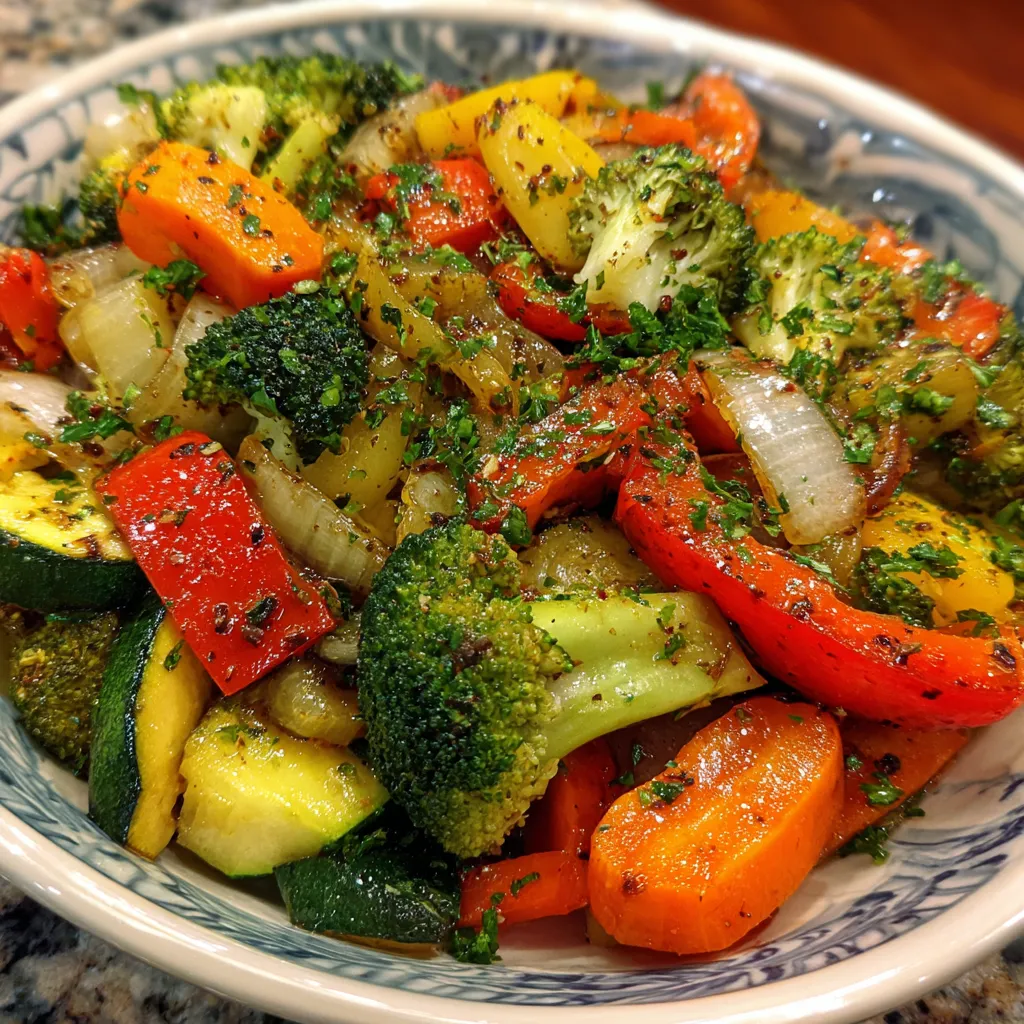

Healthy Sauteed Vegetables
Description
Bright broccoli, carrots, peppers, and zucchini sizzle in olive oil with garlic, finishing with fresh parsley for a pop of flavor. Each bite stays tender-crisp and nutrient-packed, making dinner vibrant and nourishing.
Ingredients
Instructions
-
Heat the olive oil in a large skillet over medium heat.
-
Add the garlic and sauté until fragrant about one minute.
-
Add the broccoli carrots and bell peppers and cook stirring occasionally for four minutes.
-
Add the zucchini season with salt and pepper and cook for three more minutes until vegetables are tender crisp.
-
Remove from heat and stir in the parsley before serving.
Note
- Use fresh vegetables to maximize flavor and nutrients.
- Feel free to substitute vegetables based on seasonal availability.
- Avoid overcooking to preserve texture and vitamins.
- Serve immediately to enjoy optimal taste and temperature.