

There’s something magical about a batch of freshly made glazed buttermilk beignets. These soft pillows of dough, fried until they’re a warm golden brown, are like little bites of sunshine you can hold in your hand. Light, fluffy, and oh-so-sweet, they melt on your tongue the moment you bite in. This recipe, with its glossy vanilla glaze that drips over every crevice, will transport your taste buds straight to a bustling café in the heart of New Orleans. Whether you’re aiming to whip up a special treat for breakfast or looking for a decadent dessert to impress friends, these beignets deliver all the rich, comforting flavors you crave. With an intermediate difficulty level, you’ll find the process rewarding from start to finish, and the end result is absolutely worth every minute of preparation, cooking, and anticipation as the dough rises.
Getting to that first bite involves a bit of patience—after all, the dough needs 1 to 2 hours to rise—but it’s the kind of patience that’s rewarded tenfold. You’ll start by proofing active dry yeast in warm water, then stir together buttermilk, vanilla, sugar, and a beaten egg to create a tender, flavorful base. Working in all-purpose flour, salt, and a touch of baking soda gives each bite just the right texture, while melted butter adds richness. Frying the beignets until they’re puffed and golden takes about 30 minutes, and the final step—dipping them into a silky-smooth glaze made from powdered sugar, whole milk, and vanilla—turns them into little glazed treasures. Each beignet clocks in at around 300 calories, making them a decadent treat to savor once in a while. Trust me: that first dunk into the warm glaze is pure bliss.
KEY INGREDIENTS IN GLAZED BUTTERMILK BEIGNETS
Before you dive in, let’s take a moment to celebrate the key ingredients that make these glazed buttermilk beignets so irresistible. Each element plays a crucial role in building the perfect texture, flavor, and that tender crumb we all love. From the yeast that gives our dough its airy lift to the glaze that adds a sweet, shiny finish, here’s what you need and why it matters:
- Active dry yeast
This is our leavening hero. When dissolved in warmth, it activates and produces tiny bubbles of carbon dioxide, making the dough light and airy.
- Warm water
Water at the right temperature (around 110°F) helps “wake up” the yeast without killing it, ensuring a good rise and a tender crumb.
- Buttermilk
Adds tangy richness and acidity, which reacts with baking soda to give a light, tender texture and a subtle, buttery flavor.
- Granulated sugar
Feeds the yeast for fermentation and sweetens the dough, giving each beignet a just-right hint of sugariness.
- Large egg
Binds ingredients together, adds richness, and helps create that golden color in the fried dough.
- Vanilla extract
Infuses the dough (and later the glaze) with aromatic, sweet notes that elevate the overall flavor profile.
- All-purpose flour
The structural backbone of the dough, providing enough protein to form gluten while keeping the beignets tender.
- Salt
Balances sweetness and enhances flavor, making every ingredient pop.
- Baking soda
Works with the buttermilk’s acidity to give a final lift and a delicate crumb.
- Unsalted butter
Adds moisture and richness, ensuring each bite is soft and flavorful.
- Vegetable oil
Used for frying, it provides a neutral base for crisp, golden exteriors without overpowering the delicate dough.
- Powdered sugar
The sweet base of our glaze, dissolving easily into milk to create a smooth coating.
- Whole milk
Gives the glaze a creamy consistency and balances the powdered sugar for a silky finish.
HOW TO MAKE GLAZED BUTTERMILK BEIGNETS
Let’s dive into the step-by-step process of creating these glazed buttermilk beignets. You’ll find that each stage, from mixing to frying, builds the flavors and textures that make these treats so memorable.
1. In a small bowl, dissolve the yeast in warm water and let it sit for about 5 minutes until foamy. This ensures your yeast is active and ready to leaven the dough.
2. In a large mixing bowl, combine the buttermilk, sugar, beaten egg, and vanilla extract. Stir in the foamy yeast mixture until the liquids are well incorporated, creating a smooth, fragrant base.
3. In another bowl, sift together the flour, salt, and baking soda. Gradually add the dry mixture to the wet ingredients, mixing until a soft dough forms.
4. Stir in the melted butter until it’s fully incorporated into the dough. You’re aiming for a texture that’s soft but not sticky.
5. Cover the bowl with a damp cloth and let the dough rise in a warm place for 1 to 2 hours, or until doubled in size. This rest period is crucial for developing flavor and creating airy pockets.
6. While the dough is rising, prepare the glaze by whisking together powdered sugar, milk, and vanilla extract in a bowl until smooth. Set aside so it’s ready when your beignets emerge from the fryer.
7. Once the dough has risen, turn it out onto a lightly floured surface and roll it to about 1/4-inch thickness for that perfect puff.
8. Cut the dough into rectangles or squares using a sharp knife or pastry cutter, aiming for uniform pieces so they cook evenly.
9. Heat vegetable oil in a deep fryer or heavy-bottomed pot to 350°F. Gently place the cut dough into the oil, frying in batches to avoid overcrowding.
10. Fry the beignets for 2-3 minutes on each side, or until golden brown and puffy. Remove from oil with a slotted spoon and drain on paper towels.
11. While the beignets are still warm, dip them into the glaze, allowing excess to drip off. Place them on a wire rack to set and achieve that perfect glossy finish.
SERVING SUGGESTIONS FOR GLAZED BUTTERMILK BEIGNETS
Serving up these beignets is half the fun—watching friends and family dig in is pure joy! Whether you’re hosting brunch, crafting a dessert spread, or simply treating yourself, these suggestions will elevate your presentation and flavor experience.
- Pair with bold coffee: The slight bitterness and rich aroma of a dark roast or espresso cut through the sweetness of the glaze, creating a balanced taste sensation. Pour your favorite brew into a sturdy mug for the perfect morning pick-me-up.
- Top with fresh berries: A handful of raspberries, strawberries, or blueberries adds a bright, tart contrast to the sweet, pillowy beignets. Simply press a few berries gently onto each glazed piece just before serving.
- Dust with cinnamon sugar: After glazing, give each beignet a quick sprinkle of cinnamon sugar for extra warmth and spice. Mix equal parts granulated sugar and ground cinnamon, then drizzle a bit of glaze before applying the dust to make it stick.
- Serve alongside fruit compote: Warm fruit compote—think stewed peaches or spiced apple slices—adds moisture and complexity. Spoon a dollop onto each plate next to the beignets for a brunch-worthy spread that’s as beautiful as it is delicious.
HOW TO STORE GLAZED BUTTERMILK BEIGNETS
While these beignets are best enjoyed fresh, proper storage can help you savor leftovers without sacrificing flavor or texture. Here’s how to keep them tasting as close to just-made as possible:
- Room temperature in an airtight container: Place cooled beignets in a single layer in an airtight container. Seal tightly and store at room temperature for up to 24 hours. This method preserves their soft interior while preventing the glaze from becoming too sticky.
- Refrigeration for up to 3 days: If you need to keep them longer, stack beignets in an airtight container with parchment paper between layers. Chill for up to three days, then reheat in a lightly warmed oven (about 300°F) for 5–7 minutes to restore their fresh-from-the-fryer texture.
- Freezing unglazed dough pieces: For make-ahead convenience, freeze cut dough squares on a parchment-lined tray until solid, then transfer to a freezer bag. When ready to fry, thaw completely and let the dough rest at room temperature before frying and glazing.
- Avoid moisture buildup: Always allow beignets to cool completely before storing. Trapped heat can create condensation, leading to soggy exteriors and a less-than-ideal texture.
CONCLUSION
Creating these glazed buttermilk beignets is more than just following a recipe—it’s an invitation to bring a slice of New Orleans into your own kitchen. From proofing the yeast to the joyous moment of dipping each warm beignet into that silky vanilla glaze, every step builds flavor and excitement. You’ll come away with a dessert that’s both comforting and show-stopping, perfect for sharing with loved ones or savoring solo alongside a steaming cup of coffee. The combination of buttermilk tang, airy dough, and sweet glaze exemplifies what makes homemade treats so memorable. And remember, if you’d like to save this article for future reference, simply print or bookmark it—you’ll have everything you need whenever a beignet craving strikes.
Below, you’ll find a handy FAQ section to address any questions that pop up while you’re mixing, rolling, or frying. If you try this recipe, I’d love to hear about your experience—did the glaze come out perfectly glossy? Did your dough rise beautifully? Feel free to leave comments, questions, or feedback. Whether you’re a seasoned home cook or experimenting with yeast for the first time, I’m here to help you achieve those light, golden beignets that melt in the mouth and make smiles all around. Enjoy every bite!
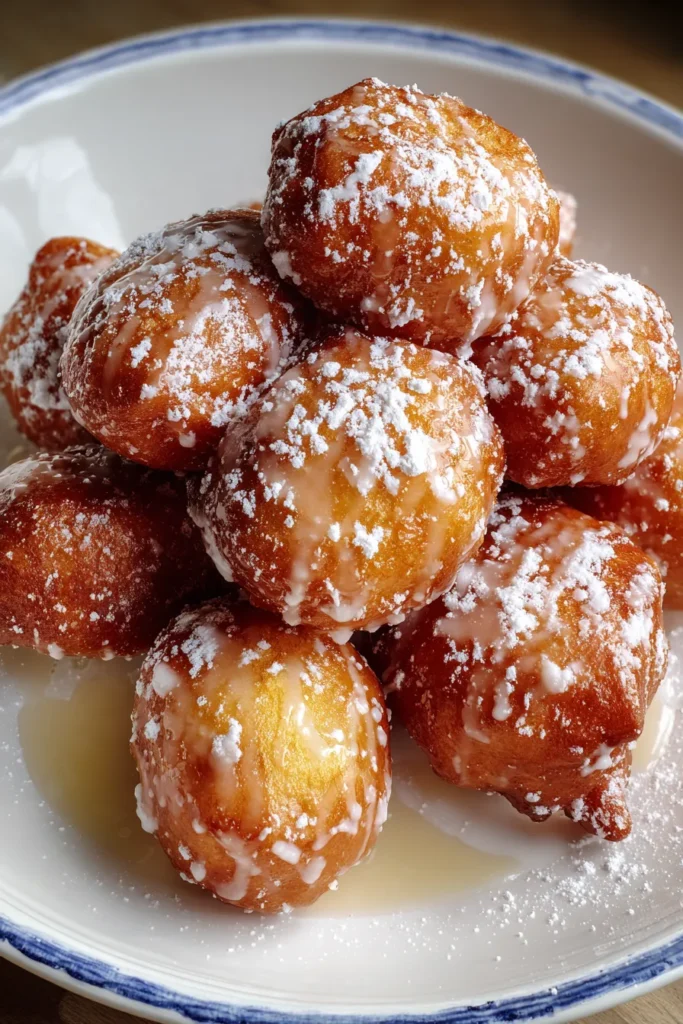

Glazed Buttermilk Beignets
Description
Soft pillows of dough, fried to golden perfection and drenched in a glossy vanilla glaze, these beignets are irresistible for breakfast or dessert.
Ingredients
Instructions
-
In a small bowl, dissolve the yeast in warm water and let it sit for about 5 minutes until foamy.
-
In a large mixing bowl, combine the buttermilk, sugar, beaten egg, and vanilla extract. Stir in the foamy yeast mixture.
-
In another bowl, sift together the flour, salt, and baking soda. Gradually add the flour mixture to the wet ingredients, mixing until a dough forms.
-
Stir in the melted butter until it's fully incorporated. The dough should be soft but not sticky.
-
Cover the bowl with a damp cloth and let the dough rise in a warm place for about 1 to 2 hours, or until doubled in size.
-
While the dough is rising, prepare the glaze by whisking together powdered sugar, milk, and vanilla extract in a bowl until smooth. Set aside.
-
Once the dough has risen, turn it out onto a lightly floured surface. Roll the dough to about 1/4-inch thickness.
-
Cut the dough into rectangles or squares using a sharp knife or pastry cutter.
-
Heat vegetable oil in a deep fryer or heavy-bottomed pot to 350°F. Gently place the cut dough into the oil, frying them in batches to avoid overcrowding.
-
Fry the beignets for 2-3 minutes on each side, or until golden brown and puffy. Remove from oil with a slotted spoon and drain on paper towels.
-
While the beignets are still warm, dip them into the glaze, allowing excess to drip off. Place on a wire rack to set.
Note
- Make sure your water temperature is just right; too hot or too cold can kill the yeast or prevent it from activating.
- The dough can be made the night before and refrigerated; allow it to come to room temperature before rolling out.
- Beignets are best served fresh. If you must store, keep in an airtight container and reheat in a lightly warmed oven.
- Enjoy these beignets with a dusting of powdered sugar instead of glaze for a traditional treat.