

There’s something utterly irresistible about this Christmas Gingerbread Cake—warm and spiced layers of molasses-kissed cake topped with tangy cream cheese frosting, festive sprinkles, and a hint of orange zest. Each bite is soft, moist, and redolent of holiday cheer, making it the perfect showstopper for your seasonal gathering. Grab your apron and let’s dive into a cozy baking adventure that’s guaranteed to fill your kitchen with joy (and maybe a little friendly competition for the last slice)!
Key Ingredients
Before we get baking, let’s round up everything you need to create this festive masterpiece. From pantry staples to those optional garnishes, here’s your shopping list:
- 2 1/2 cups (310 g) all-purpose flour, spooned and leveled: The backbone that gives structure and tender crumb.
- 2 tsp ground ginger: The star spice that brings warm, zesty heat.
- 1 1/2 tsp ground cinnamon: Adds cozy sweetness and aromatic depth.
- 1/4 tsp ground cloves: Contributes a subtle, earthy bite.
- 1/4 tsp freshly grated nutmeg (or 1/2 tsp ground nutmeg): Infuses a nutty, slightly sweet note.
- 1 1/2 tsp baking soda: Leavens and lightens the cake layers.
- 1/2 tsp fine sea salt: Balances sweetness and enhances spice flavors.
- 1/2 cup (115 g) unsalted butter, softened to room temperature: Delivers rich flavor and tender texture.
- 1/2 cup (120 ml) vegetable oil (or canola oil): Keeps the cake moist and supple.
- 3/4 cup (150 g) packed dark brown sugar: Deep, molasses-like sweetness.
- 1/2 cup (100 g) granulated sugar: Lightens texture and adds sweetness.
- 3 large eggs, at room temperature: Bind ingredients and create lift.
- 1 cup (240 ml) unsulphured molasses (not blackstrap): Signature dark, rich flavor.
- 1 cup (240 ml) whole milk, at room temperature: Provides moisture and tender crumb.
- 1/2 cup (120 ml) strong brewed coffee, cooled to room temperature: Enhances the chocolatey notes of molasses.
- 2 tsp pure vanilla extract: Rounds out flavors with sweet warmth.
- Optional: zest of 1 orange, finely grated: Adds bright citrus spark.
- 8 oz (225 g) cream cheese, full-fat brick style, softened: Tangy base for luscious frosting.
- 1/2 cup (115 g) unsalted butter, softened: Creates silky, smooth frosting.
- 3 cups (360 g) powdered sugar, sifted: Sweetens and thickens frosting.
- 1 1/2 tsp pure vanilla extract: Infuses frosting with classic vanilla aroma.
- 1–2 tbsp heavy cream or milk, as needed for consistency: Adjusts frosting to exactly the right spreadable texture.
- Pinch of fine sea salt, to taste: Balances the sweetness of the frosting.
- Crushed gingerbread cookies or speculoos: Adds playful crunch on top.
- Festive sprinkles: Brightens each slice with holiday cheer.
- Candied ginger, finely chopped: Offers an extra kick of spice.
- Orange zest: Lends a fresh citrus garnish.
- A light dusting of powdered sugar: Creates a snowy finish.
How To Make Christmas Gingerbread Cake
Baking this Christmas Gingerbread Cake is all about building layers of flavor, from the perfectly spiced batter to the silky cream cheese frosting. You’ll tackle each stage—from prepping pans and mixing dry ingredients to alternating wet and dry additions—before finishing with festive decorations. Follow these 13 detailed steps to ensure every loaf or layer comes out moist, tender, and brimming with holiday spirit.
1. Prepare the pan and oven
Preheat the oven to 350°F (175°C). Grease a 9×13-inch (23×33 cm) pan or two 8-inch (20 cm) round pans with butter or nonstick spray. Line the bottom(s) with parchment paper and lightly grease the paper. Dust the pan(s) with flour, tapping out any excess to prevent sticking.
2. Mix the dry ingredients
In a medium bowl, whisk together the flour, ground ginger, cinnamon, cloves, nutmeg, baking soda, and salt until evenly combined. Set aside this spice-infused flour blend.
3. Cream butter, oil, and sugars
In a large mixing bowl, use a hand mixer or stand mixer with the paddle attachment to beat the softened butter and vegetable oil on medium speed until smooth, about 1–2 minutes. Add the dark brown sugar and granulated sugar, then beat on medium until fluffy and pale, about 3 minutes. Scrape down the sides and bottom of the bowl.
4. Add eggs, vanilla, and molasses
Beat in the eggs one at a time on medium speed, ensuring each is fully incorporated. Mix in the vanilla extract. Pour in the molasses, starting on low speed to avoid splashes, then increase to medium until the mixture is smooth and uniform. Scrape the bowl as needed.
5. Combine the wet liquids
In a separate small bowl or large measuring cup, stir together the milk and cooled coffee. If using orange zest, either add it here or wait to fold it in with the batter.
6. Alternate adding dry and liquid mixtures
With the mixer on low, add one-third of the dry ingredients to the molasses mixture. Mix just until almost combined. Add half of the milk–coffee mixture, mixing on low. Repeat with another third of the dry mix, then the remaining liquid, and finish with the last dry portion. Stop as soon as the batter is smooth—overmixing will toughen the cake. Fold in any remaining orange zest by hand.
7. Bake the cake
Pour the batter into the prepared pan(s) and smooth the top. For a 9×13 pan, bake 32–38 minutes; for two 8-inch rounds, bake 25–30 minutes. The cake is done when it springs back lightly, a toothpick comes out with a few moist crumbs, and the edges pull away from the pan. Avoid overbaking to keep it moist.
8. Cool completely
Place the pan(s) on a wire rack and let cool 15–20 minutes. If using round pans, run a knife around the edges, invert onto the rack, peel off parchment, and cool fully. The cake must be cool before frosting to prevent melting.
9. Make the cream cheese frosting
Beat the softened cream cheese and butter on medium until smooth and lump-free, about 2–3 minutes. Mix in vanilla extract and salt. Gradually add sifted powdered sugar, one cup at a time, beating on low then medium. Adjust consistency with cream or milk if too thick, or more sugar if too thin. Beat until fluffy and spreadable.
10. Frost a single-layer cake (9×13-inch)
Spread the frosting evenly with an offset spatula or knife. Create decorative swirls or smooth lines. Top with crushed cookies, sprinkles, candied ginger, or powdered sugar as desired.
11. Frost a layered cake (two 8-inch rounds)
Level domed tops with a serrated knife. Place one layer cut-side up, add one-third of the frosting, and spread to the edges. Top with the second layer, cut-side down. Apply a thin crumb coat, chill 15–20 minutes, then add a final even layer of frosting and decorate.
12. Chill, slice, and serve
Refrigerate the frosted cake 30–45 minutes for clean slices. Use a sharp knife, wiping it between cuts. Serve slightly chilled or at cool room temperature for the best texture.
13. Storage
Store the frosted cake covered in the refrigerator for up to 4–5 days. Bring slices to room temperature before serving. Unfrosted layers can be wrapped tightly in plastic and frozen for up to 2 months; thaw overnight in the fridge before frosting.
Serving Suggestions
Whether you’re hosting a holiday brunch or treating yourself by the fire, these serving ideas will make every slice feel extra special:
- Top each slice with a spoonful of crushed gingerbread cookies for delightful crunch.
- Add a sprinkle of festive sprinkles and a touch of orange zest to brighten each bite.
- Serve alongside a small bowl of candied ginger pieces for an extra zing.
- Finish with a light powdered sugar dusting to create an elegant snowy effect.
Tips For Perfect Christmas Gingerbread Cake
Nailing this gingerbread cake is all about letting those spices shine and keeping the texture spot-on. With a few friendly tweaks from our notes below, you’ll have a show-stopping centerpiece that tastes even better the next day. Don’t skip chilling your frosting between coats, and feel free to adapt for cupcakes if you’re short on time!
- For deeper flavor, bake the cake a day in advance; gingerbread spices bloom and taste even better the next day.
- If you prefer a stronger spice kick, increase the ginger to 2 1/2 tsp and cinnamon to 2 tsp.
- Substitute the coffee with more milk if you prefer, but the coffee enhances the chocolatey notes of molasses without tasting like coffee.
- For a lighter option, top the cake with lightly sweetened whipped cream instead of cream cheese frosting and serve immediately.
- Add 1–2 tbsp of dark rum or brandy to the batter (reduce milk slightly) for a more grown-up holiday version.
- This recipe works well as cupcakes; fill liners 2/3 full and bake at 350°F (175°C) for 18–22 minutes.
How To Store It
Keeping your gingerbread cake fresh means preserving that moist crumb and fluffy frosting. Use these simple methods to enjoy leftovers all week:
- Refrigerate the frosted cake: Wrap the cake or cover the plate tightly with plastic wrap to prevent drying; store for up to 4–5 days.
- Bring slices to room temperature: Remove individual slices 20 minutes before serving to restore softness.
- Freeze unfrosted layers: Wrap each cooled layer tightly in plastic and foil; freeze up to 2 months.
- Thaw overnight: Move frozen layers to the refrigerator the day before you plan to frost and decorate.
Frequently Asked Questions
Here are quick answers to the most common gingerbread cake queries:
- How should I prepare the pan and oven to ensure the cake releases easily?
Preheat your oven to 350°F (175°C). Grease a 9×13-inch pan or two 8-inch round pans with butter or nonstick spray, then line the bottom(s) with parchment paper. Lightly grease the parchment, dust the pans with flour, and tap out any excess. This prevents sticking and helps the cake come out cleanly.
- Why does the recipe use both butter and vegetable oil?
Butter adds rich flavor and tenderness, while oil helps keep the cake moist and prevents it from drying out. The combination yields a soft crumb with that classic gingerbread taste.
- Can I substitute or omit the coffee in the recipe?
Yes. The cooled strong brewed coffee enhances the molasses’s chocolatey notes without making the cake taste like coffee. If you prefer to omit it, simply replace it with an equal amount of whole milk. Expect slightly less depth of flavor.
- What’s the best way to avoid overmixing the batter?
Add the dry ingredients and the milk-coffee mixture alternately in thirds on low mixer speed, mixing just until each addition is almost combined. Stop as soon as the batter is smooth and no large streaks of flour remain. Overmixing can lead to a tough cake.
- How do I know when the cake is fully baked?
For a 9×13-inch pan bake 32–38 minutes, for two 8-inch rounds bake 25–30 minutes. The cake is done when the top springs back lightly to the touch, a toothpick inserted in the center comes out mostly clean with a few moist crumbs, and the edges begin to pull away from the pan.
- What’s the proper way to frost the cake without melting the cream cheese frosting?
Cool the cake completely before frosting. For a 9×13-inch cake, spread the frosting evenly with an offset spatula. For layered rounds, level the domed tops, apply a crumb coat, chill 15–20 minutes, then add the final coat. Refrigerate the frosted cake for 30–45 minutes before slicing to ensure clean cuts and stable frosting.
- How should I store leftovers to maintain flavor and texture?
Cover the frosted cake and refrigerate for up to 4–5 days. Bring slices to room temperature for about 20 minutes before serving to restore softness. Unfrosted layers can be wrapped tightly in plastic and frozen for up to 2 months; thaw overnight in the refrigerator before frosting.
- Can I customize the spice level or turn this into cupcakes?
To intensify the spice, increase ginger to 2½ tsp and cinnamon to 2 tsp. For cupcakes, fill liners two-thirds full and bake at 350°F (175°C) for 18–22 minutes, testing with a toothpick until it comes out mostly clean.
What Makes This Special
This Christmas Gingerbread Cake works its magic by marrying warm holiday spices with the deep richness of molasses and a tangy cream cheese frosting that’s impossible to resist. It’s moist enough to enjoy fresh but tastes even better the next day as the flavors meld. Go ahead and print this article to save for later—you’ll want it on repeat all season long. Drop a comment below if you bake it (or devour it) and share your favorite twists or questions!
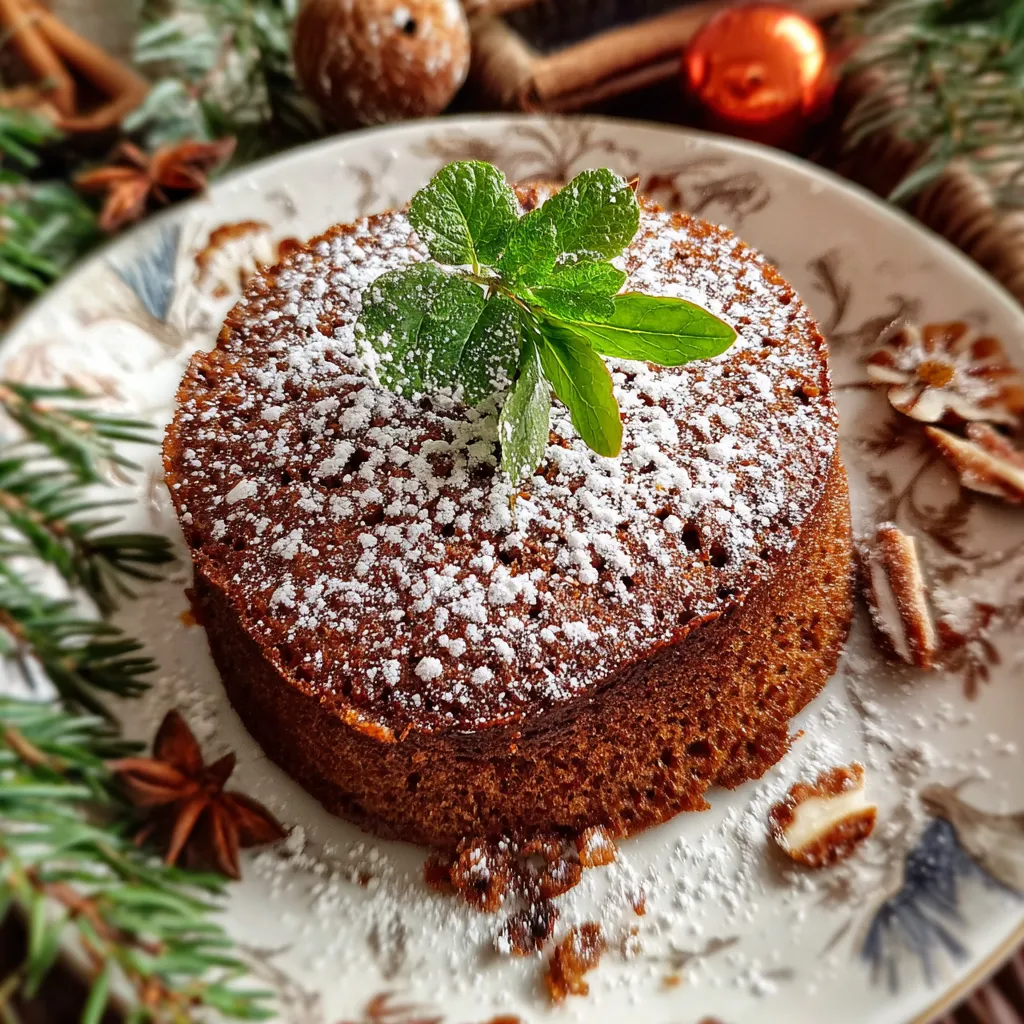

Christmas Gingerbread Cake
Description
Soft, moist gingerbread cake layered with tangy cream cheese frosting, redolent of molasses, warm spices, and a hint of citrus. Topped with crushed gingerbread crumbs and festive sprinkles for a cozy holiday treat.
Ingredients
Instructions
-
Prepare the pan and oven:
-
- Preheat the oven to 350°F (175°C).
-
- Grease a 9x13-inch (23x33 cm) baking pan or two 8-inch (20 cm) round cake pans with butter or nonstick spray.
-
- Line the bottom(s) with parchment paper and lightly grease the paper as well for easy release.
-
- Lightly dust the pan(s) with flour, tapping out any excess.
-
Mix the dry ingredients:
-
- In a medium bowl, whisk together the flour, ground ginger, cinnamon, cloves, nutmeg, baking soda, and salt until well combined.
-
- Set this bowl aside.
-
Cream butter, oil, and sugars:
-
- In a large mixing bowl, using a hand mixer or stand mixer fitted with the paddle attachment, beat the softened butter and vegetable oil together on medium speed until smooth and slightly creamy, about 1–2 minutes.
-
- Add the dark brown sugar and granulated sugar and beat on medium speed until lightened in color and fluffy, about 3 minutes. Scrape down the sides and bottom of the bowl as needed.
-
Add eggs, vanilla, and molasses:
-
- Add the eggs one at a time, beating well on medium speed after each addition until fully incorporated.
-
- Mix in the vanilla extract.
-
- Pour in the molasses and beat on low speed at first (to avoid splashing), then increase to medium speed until the mixture is smooth and uniform. It will look slightly separated at first, then come together. Scrape down the bowl.
-
Combine the wet liquids:
-
- In a separate small bowl or large measuring cup, stir together the milk and cooled brewed coffee.
-
- If using, add the finely grated orange zest to this mixture or directly into the batter later for a subtle citrus aroma.
-
Alternate adding dry and liquid mixtures:
-
- With the mixer on low speed, add one-third of the dry ingredients to the molasses mixture and mix just until almost combined.
-
- Add half of the milk-coffee mixture and mix on low until just incorporated.
-
- Repeat with another one-third of the dry ingredients, then the remaining milk-coffee mixture, and finally the last one-third of the dry ingredients.
-
- Stop mixing as soon as the batter is smooth and no large streaks of flour remain. Do not overmix to keep the cake tender.
-
- If using orange zest and you haven’t added it yet, gently fold it in by hand with a spatula.
-
Bake the cake:
-
- Pour the batter into the prepared pan(s) and smooth the top with a spatula so it’s even.
-
- For a 9x13-inch pan, bake for about 32–38 minutes.
-
- For two 8-inch round pans, bake for about 25–30 minutes.
-
- The cake is done when the top springs back lightly to the touch, a toothpick inserted into the center comes out mostly clean with a few moist crumbs, and the edges are just pulling away from the sides.
-
- Avoid overbaking; gingerbread is best when moist.
-
Cool completely:
-
- Place the pan(s) on a wire rack.
-
- Let the cake cool in the pan for 15–20 minutes.
-
- If making a layered round cake, run a knife around the edges, turn the cakes out onto the rack, peel off the parchment, and let them cool completely.
-
- The cake must be fully cooled before frosting, or the frosting will melt and slide.
-
Make the cream cheese frosting:
-
- In a large bowl, beat the softened cream cheese and butter together on medium speed until completely smooth, creamy, and lump-free, about 2–3 minutes.
-
- Add the vanilla extract and a pinch of salt, then beat to combine.
-
- Gradually add the sifted powdered sugar, 1 cup at a time, beating on low at first, then increasing to medium until fully incorporated.
-
- After adding 2–3 cups of sugar, check the consistency. If it’s too thick, add 1 tbsp of cream or milk; if too thin, add a bit more powdered sugar.
-
- Beat for 1–2 more minutes until the frosting is fluffy, smooth, and spreadable.
-
- Taste and adjust salt if needed to balance the sweetness.
-
Frost a single-layer cake (9x13-inch option):
-
- Once the cake is completely cool, spread the cream cheese frosting evenly over the top using an offset spatula or knife.
-
- Swirl the top decoratively or create smooth, clean lines, depending on your style.
-
- Sprinkle with crushed gingerbread cookies, sprinkles, candied ginger, or a light dusting of powdered sugar if desired.
-
Frost a layered cake (two 8-inch rounds):
-
- If the cake layers are domed, level the tops with a long serrated knife so they stack evenly.
-
- Place one layer on a serving plate or cake stand, cut side up.
-
- Add about 1/3 of the frosting and spread it evenly over the top to the edges.
-
- Place the second layer on top, cut side down for a flat surface.
-
- Apply a thin “crumb coat” layer of frosting all over the cake to seal in any crumbs, then chill for 15–20 minutes to set.
-
- Finish with a thicker, even layer of frosting over the top and sides of the cake.
-
- Decorate with crushed cookies, sprinkles, candied ginger, or orange zest along the top edge or center.
-
Chill, slice, and serve:
-
- For clean slices, refrigerate the frosted cake for at least 30–45 minutes to help the frosting firm slightly.
-
- Use a sharp, clean knife, wiping it between slices for neat presentation.
-
- Serve the cake slightly chilled or at cool room temperature for the best texture and flavor.
-
Storage:
-
- Store the frosted cake covered in the refrigerator for up to 4–5 days.
-
- Bring slices to room temperature for about 20 minutes before serving for the softest texture.
-
- Unfrosted cake layers can be wrapped tightly in plastic and frozen for up to 2 months; thaw overnight in the refrigerator before frosting.
Note
- For deeper flavor, bake the cake a day in advance; gingerbread spices bloom and taste even better the next day.
- If you prefer a stronger spice kick, increase the ginger to 2 1/2 tsp and cinnamon to 2 tsp.
- Substitute the coffee with more milk if you prefer, but the coffee enhances the chocolatey notes of molasses without tasting like coffee.
- For a lighter option, top the cake with lightly sweetened whipped cream instead of cream cheese frosting and serve immediately.
- Add 1–2 tbsp of dark rum or brandy to the batter (reduce milk slightly) for a more grown-up holiday version.
- This recipe works well as cupcakes; fill liners 2/3 full and bake at 350°F (175°C) for 18–22 minutes.