

There’s something incredibly satisfying about indulging in a silky, chilled dessert that feels like a tropical vacation in every spoonful. Chinese Mango Pudding combines the luscious sweetness of ripe mangoes with the creamy richness of coconut and whole milk, creating a delightful harmony of flavors that dance on your taste buds. As the summer sun warms the day, this pudding becomes a cooling oasis—light yet indulgent, bright orange yet soothing. With just a handful of simple ingredients, you can whip up a dessert that looks and tastes like it took hours of effort, yet comes together in under 30 minutes of hands-on time. It’s the perfect way to showcase nature’s candy: mangoes.
Each bite delivers that perfect balance of fruit-forward tang and tender creaminess. The coconut milk lends a subtle tropical flair, while the whole milk smooths out the texture, making every mouthful feel like a cloud of sunshine. Whether you’re hosting a backyard barbecue, treating your kids after school, or simply craving something sweet and refreshing, this Chinese Mango Pudding fits the bill. Ready to get blending? Let’s dive into the magic of this tropical treat and explore how you can bring a bit of summer to your table any time of year.
KEY INGREDIENTS IN CHINESE MANGO PUDDING
Before we get our hands messy, let’s chat about the heroes of this recipe. Each component plays an essential role in building the vibrant color, silky texture, and unforgettable flavor of this dessert. From naturally sweet mangoes to gentle sets of gelatin, here’s what makes this pudding shine:
- Mangoes
These ripe fruits bring natural sweetness, vibrant color, and a tropical aroma. They form the heart of your pudding, providing both the puree base and decorative garnish cubes that delight the eyes and the palate.
- Coconut milk
Adds a subtle tropical creaminess and silky mouthfeel. Coconut milk helps round out the fruitiness of the mango and gives the pudding a luscious, dreamy texture.
- Whole milk
Contributes richness and body to the dessert. When combined with coconut milk, whole milk ensures a smoother, velvety consistency and balances the sweetness.
- Granulated sugar
Enhances the fruit’s natural flavors and adds just the right level of sweetness. It dissolves into the warm milk mixture to create an even, gentle sweetness throughout the pudding.
- Gelatin
Provides structure and helps the pudding set into a firm yet tender texture. Whether using sheets or powdered form, gelatin transforms the liquid mixture into a delightful, sliceable dessert.
- Hot water
Activates powdered gelatin or softens gelatin sheets. This step is crucial for ensuring the gelatin dissolves completely and incorporates evenly into the milk mixture.
- Fresh mint leaves (optional)
Offer a pop of bright color and a refreshing herbal note. Mint leaves make an elegant garnish that complements the tropical flavors.
- Additional mango slices or cubes (optional)
Double down on the fruity appeal and add textural contrast. Reserved mango pieces make the pudding look inviting and provide delightful fruit bites in each spoonful.
HOW TO MAKE CHINESE MANGO PUDDING
Let’s walk through the process of creating this dreamy dessert from start to finish. You’ll see how simple techniques combine to produce a luxurious pudding that sets beautifully and tastes like sunshine in a bowl.
1. Begin by peeling and slicing the ripe mangoes. Carefully remove the skin, then dice the flesh into small, even cubes. Reserve a handful of these cubes for garnishing your pudding later, ensuring each serving looks extra inviting.
2. In a blender, add the remaining mango cubes and blend until you achieve a perfectly smooth mango puree. Aim for about 300 ml of puree—its vibrant orange hue and silky texture will give your pudding its signature flavor and color.
3. Heat the whole milk and coconut milk together in a saucepan over medium heat. Add the granulated sugar and stir continuously until the sugar has fully dissolved. Once dissolved, remove the pan from heat and allow it to cool just enough so it’s warm but not scalding.
4. If you’re using gelatin sheets, soak them in cold water for about 5 minutes until they soften completely. If using powdered gelatin, dissolve it directly into the 100 ml of hot water, stirring until there are no granules left.
5. Once the gelatin is ready, squeeze any excess moisture from the softened sheets or ensure the powdered gelatin mixture is clear. Add this gelatin into the warm milk mixture, stirring thoroughly to ensure it’s fully incorporated without any lumps.
6. Pour the mango puree into the milk and gelatin mixture. Use a spatula to mix gently but thoroughly, achieving a uniform, smooth blend of fruit and cream.
7. Prepare your serving bowls or molds, then pour the pudding mixture into them evenly. Gently tap each container on the counter to release trapped air bubbles and level the surface.
8. Place the filled molds in the refrigerator and chill for at least 4 hours, or until the pudding is completely set. Patience here rewards you with a clean cut and firm, wobbly texture.
9. Once set, garnish with the reserved mango cubes and fresh mint leaves for a pop of color and extra burst of flavor. Serve the pudding well chilled and dig in!
SERVING SUGGESTIONS FOR CHINESE MANGO PUDDING
When it comes to serving this creamy delight, presentation and complementary textures can elevate the experience to something truly memorable. Whether you’re hosting a dinner party or simply want a show-stopping finale to a casual family meal, these serving ideas will inspire you to plate like a pro. Each suggestion highlights how to layer flavors, enhance contrast, and make your Mango Pudding the star of the table.
- Layered Parfait
Spoon alternating layers of mango pudding and whipped coconut cream into a clear glass. Top with fresh berries for a burst of color and an extra tangy twist that balances the pudding’s sweetness.
- Fruit and Nut Garnish
Sprinkle toasted coconut flakes or chopped pistachios over the set pudding. The crunchy texture brings a lovely contrast to the creamy base, and the nutty notes pair beautifully with tropical mango.
- Berry Coulis Drizzle
Whisk together crushed strawberries or raspberries with a touch of sugar to make a quick coulis. Drizzle the bright red sauce on top of the pudding for a tangy counterpoint and stunning plating effect.
- Mini Dessert Shooters
Divide your pudding into small shooter glasses and garnish each with a single mint leaf and a thin mango slice. These bite-size servings are perfect for cocktail parties or tasting menus.
HOW TO STORE CHINESE MANGO PUDDING
Proper storage ensures your Mango Pudding retains its delicate texture, vibrant color, and fresh flavor. Whether you’re prepping ahead for a gathering or savoring leftovers over the next few days, follow these tips to keep each serving as delightful as the first spoonful.
- Refrigeration in an airtight container
Transfer leftover pudding into a sealable container to prevent it from absorbing any odors. Stored at a consistent temperature below 4 °C (40 °F), it will stay fresh for 2–3 days without compromising texture.
- Individual serving wraps
Cover each bowl or mold with plastic wrap, pressing gently onto the pudding’s surface. This barrier minimizes moisture loss and maintains a smooth top, ready for garnish when you’re ready to plate again.
- Freeze for longer storage
For extended preservation, freeze the pudding in a freezer-safe container. Thaw in the refrigerator for several hours before serving—note that the texture may soften slightly, so enjoy it more like a creamy sorbet.
- Keep garnishes separate
Store extra mango cubes and mint leaves in a small container or bag. Adding them just before serving ensures they remain bright, fresh, and crisp, enhancing both flavor and appearance.
CONCLUSION
We’ve journeyed from the sweet core of ripe mangoes to the creamy embrace of coconut and milk, mastering the art of setting this tropical treasure into a beautifully jiggly pudding. By blending simple ingredients and using basic kitchen techniques—peeling, blending, heating, and chilling—you can achieve a dessert that’s both impressive and approachable. Whether you choose to serve it in elegant glasses, jazz it up with crunchy garnishes, or share it in individual shot glasses at your next gathering, this Chinese Mango Pudding shines as a versatile treat that pleases every audience.
Feel free to print this article and save it for later reference in your recipe binder or digital favorites. You’ll also find a handy FAQ section below to troubleshoot any questions you might have, from adjusting sweetness levels to swapping ingredients. If you give this recipe a try—or if you have stories, photos, or creative twists to share—please leave a comment! I love hearing from fellow home cooks and am always happy to help with tips, answers, or encouragement as you whip up your own batch of sunshine-bright Mango Pudding. Enjoy every spoonful!
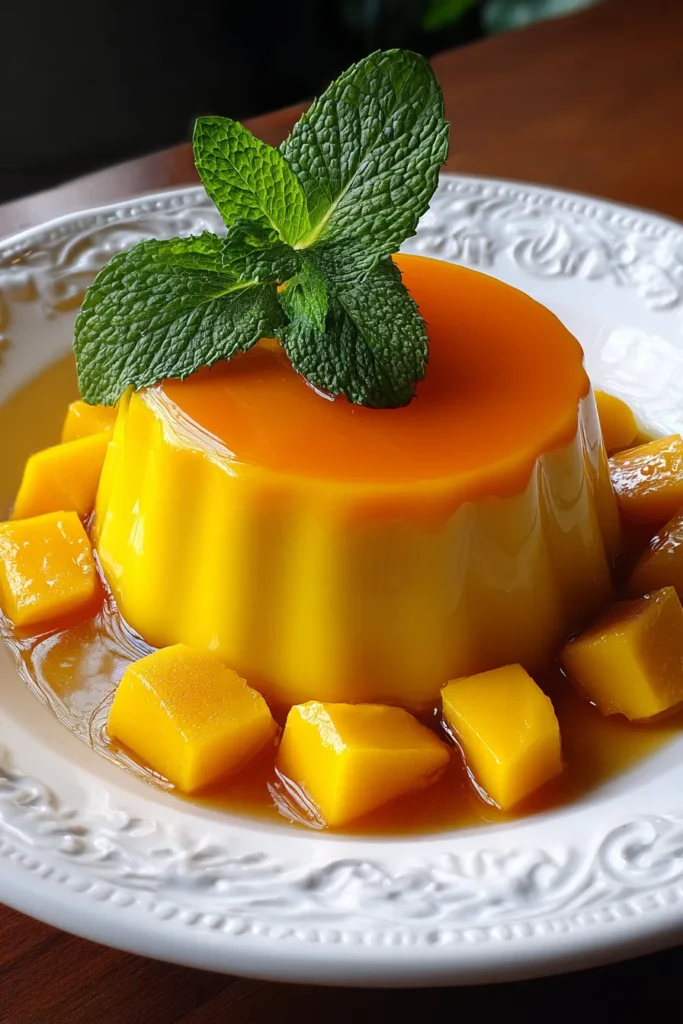

Chinese Mango Pudding
Description
Experience the tropical sweetness of ripe mangoes blended with creamy coconut and whole milk in this delightful chilled dessert that's perfect for summer gatherings.
Ingredients
Instructions
-
Begin by peeling and slicing the ripe mangoes. Cut them into small cubes and set aside a few cubes for garnishing.
-
In a blender, add the remaining mango cubes and blend until you achieve a smooth mango puree. You should have approximately 300 ml of mango puree.
-
Heat the whole milk and coconut milk together in a saucepan over medium heat. Add the granulated sugar and stir until dissolved. Remove from heat and let it cool slightly.
-
If using gelatin sheets, soak them in cold water for about 5 minutes until they soften. If using powdered gelatin, dissolve it directly into the 100 ml of hot water.
-
Once the gelatin is ready, squeeze excess water from the gelatin sheets or ensure the powdered gelatin is fully dissolved, then add it to the milk mixture. Stir well to ensure the gelatin is fully incorporated.
-
Pour the mango puree into the milk mixture and mix until smooth.
-
Prepare your serving bowls or molds and pour the mango pudding mixture into them evenly. Gently tap the bowls to remove any air bubbles.
-
Chill in the refrigerator for at least 4 hours, or until set.
-
Once the pudding is set, garnish with reserved mango cubes and fresh mint leaves, if using. Serve chilled.
Note
- Use ripe mangoes for a naturally sweet and flavorful pudding.
- You can substitute the coconut milk with more whole milk if desired.
- For a smoother texture, strain the mango puree before mixing.
- To add a citrus twist, include a squeeze of lime juice in the mango puree.
- This pudding is a refreshing dessert option that's popular during the warm summer months.