

Chicken Chow Mein blends crisp-tender chicken mingled with vibrant veggies and springy noodles in a soy-forward sauce, all seared over high heat for that irresistible wok hei twist. Tender chicken seared in a sizzling wok meets bright bell peppers, crunchy cabbage, and silky noodles, coated in a glossy soy-oyster sauce with a hint of garlic and ginger. This intermediate-level stir-fry makes a fantastic weeknight dinner that feels special enough for guests—grab your wok and let’s get cooking!
Key Ingredients
Get ready to gather the essentials that make this Chicken Chow Mein shine.
- 1 lb (450 g) boneless, skinless chicken breast, thinly sliced against the grain: Provides the tender protein base that soaks up savory marinade flavors.
- 2 tsp soy sauce (light or all-purpose): Adds umami depth in both the chicken marinade and sauce.
- 1 tsp cornstarch: Creates a light coating on the chicken for a silky bite and helps thicken the sauce.
- 1 tsp sesame oil: Infuses nutty aroma throughout the dish.
- 1/4 tsp white pepper (or black pepper): Delivers a gentle heat and aroma.
- 1 tsp Shaoxing wine or dry sherry (optional but recommended): Brightens flavors and aids tenderizing.
- 1/4 tsp salt: Balances the marinade and overall seasoning.
- 3 tbsp soy sauce (light or all-purpose): Forms the savory backbone of the chow mein sauce.
- 1 tbsp dark soy sauce (for color and depth; optional but ideal): Deepens color and enriches taste.
- 2 tbsp oyster sauce: Brings sweet-salty complexity to the sauce.
- 2 tsp sugar: Rounds out flavors with a touch of sweetness.
- 2 tsp rice vinegar or Chinese black vinegar: Adds bright acidity and balance.
- 1 tbsp hoisin sauce (optional, for a slightly sweeter note): Layers in a subtle sweetness and fragrance.
- 1/3 cup (80 ml) low-sodium chicken broth or water: Provides the saucy base and keeps the dish moist.
- 1 tsp cornstarch: Ensures a glossy, clingy sauce.
- 1/4 tsp white pepper: Enhances the sauce’s mild spice.
- 12 oz (340 g) chow mein noodles or thin egg noodles: Delivers that springy noodle texture.
- 3 tbsp neutral oil (vegetable, canola, or peanut), divided: Keeps ingredients from sticking and helps achieve wok hei.
- 3 cloves garlic, finely minced: Offers aromatic punch.
- 1 tbsp fresh ginger, finely minced: Lends bright, zesty warmth.
- 1 small yellow onion, thinly sliced: Adds mild sweetness and texture.
- 1 cup green cabbage, finely shredded: Provides crunch and color.
- 1 cup carrot, julienned or cut into thin matchsticks: Contributes sweetness and vibrancy.
- 1 red bell pepper, thinly sliced: Brings a pop of color and freshness.
- 1 cup bean sprouts, rinsed and drained (optional but classic): Adds a light, crisp contrast.
- 4 green onions (scallions), cut into 1-inch pieces (separate white and green parts): White parts for aromatic stir-fry base, greens for garnish.
- Salt and pepper, to taste: Final seasoning adjustments.
- 1 tsp toasted sesame seeds: Optional garnish for extra nuttiness.
- Extra sliced green onions: Bright, fresh topping.
- Chili oil or red chili flakes, to taste: For those who like a bit of heat.
- Lime wedges, for squeezing over when serving (non-traditional but bright and tasty): Adds a citrusy zing.
How To Make Chicken Chow Mein
Stir-frying is all about rhythm and prep, so have everything at the ready. From marinating tender chicken to tossing noodles in that glossy chow mein sauce, each step builds layers of texture and flavor. Follow along closely and keep your wok smoking hot to recreate that restaurant-style wok hei at home.
1. Marinate the chicken: In a medium bowl, combine the thinly sliced chicken with soy sauce, cornstarch, sesame oil, white pepper, Shaoxing wine, and salt. Mix until each piece is evenly coated and the cornstarch clings lightly. Let this sit for at least 15 minutes at room temperature, or up to 30 minutes in the fridge while you prep everything else.
2. Prepare the chow mein sauce: Whisk together soy sauce, dark soy sauce, oyster sauce, sugar, rice vinegar, hoisin (if using), chicken broth, sesame oil, cornstarch, and white pepper until smooth and well blended. Taste and tweak sweetness, saltiness, or acidity, then set the sauce aside.
3. Cook the noodles: Boil a large pot of water, then cook the chow mein or egg noodles per package directions, stopping about 1 minute before al dente. Drain, rinse under cold water to halt cooking and remove starch, then toss with 1 teaspoon of oil to prevent sticking. Let drain thoroughly.
4. Prep vegetables and aromatics: Mince garlic and ginger, thinly slice onion and bell pepper, shred cabbage, julienne carrots, rinse bean sprouts, and cut green onions into white and green sections. Arrange everything near your stove—stir-frying moves fast!
5. Stir-fry the chicken: Heat 1–1.5 tablespoons of oil in a wok over high heat until shimmering. Add the marinated chicken in a single layer, sear without stirring for 30–45 seconds, then stir-fry for 2–3 minutes until just cooked. Transfer to a plate.
6. Stir-fry the vegetables: In the same wok, add another 1–1.5 tablespoons oil if needed. Toss in garlic, ginger, and white parts of scallions for 20–30 seconds until fragrant. Add onion, carrots, and bell pepper, stir-frying 2–3 minutes until crisp-tender. Stir in cabbage for 1–2 minutes, then bean sprouts for 30–45 seconds.
7. Combine noodles, chicken, and sauce: Return noodles to the wok, separate strands with tongs, then pour in the chow mein sauce. Continuously toss for 2–3 minutes, letting some strands hit the hot surface for slight charring. Add back the chicken and green scallions, tossing 1–2 minutes until heated and sauce thickens. Adjust seasoning or splash in water/broth if needed.
8. Serve: Plate the Chicken Chow Mein, sprinkle with toasted sesame seeds and extra green onions, drizzle chili oil or flakes if desired, and offer lime wedges for a bright finish.
Serving Suggestions
After that high-heat stir-fry, it’s time to serve your vibrant Chicken Chow Mein in style. Whether you’re feeding family on a busy weeknight or showing off your wok skills to friends, these ideas will elevate the presentation and flavor:
- Family-style platter: Pile noodles in the center of a large plate, sprinkle with scallion greens, and place lime wedges around the edge for self-squeezing.
- Individual bowls: Divide into deep bowls for easy eating, topping each with a generous dash of chili oil or red pepper flakes.
- Side of steamed greens: Offer bok choy or broccoli to balance the savory noodles with bright, crisp veggies.
- Simple soup pairing: Serve alongside a light miso or egg drop soup for a comforting Asian-inspired meal.
Tips For Perfect Chicken Chow Mein
Nailing stir-fry is all about timing, temperature, and prep. Follow these friendly pointers to ensure your noodles stay springy, veggies retain their crunch, and chicken is silky, never dry.
- For best texture, use fresh refrigerated chow mein or Hong Kong-style egg noodles; if using dried noodles, be careful not to overcook.
- Dark soy sauce mainly adds color and depth; if you don’t have it, just use a little extra regular soy sauce and expect a slightly lighter color.
- A very hot wok or pan is key to that restaurant-style smoky “wok hei” flavor; cook in smaller batches if your pan is small.
- You can swap chicken for thinly sliced beef, pork, shrimp, or firm tofu; adjust cooking time so the protein just cooks through.
- Leftovers reheat well in a hot pan with a splash of water or broth; avoid microwaving too long to prevent the noodles from drying out.
How To Store It
Make extra and savor leftovers the next day—proper storage keeps your Chicken Chow Mein tasting fresh and vibrant. Here’s how to lock in flavor and texture:
- Airtight container: Transfer cooled leftovers into a sealed container and refrigerate for up to 2 days.
- Separate sauce if possible: If you anticipate a longer store, keep the sauce aside to prevent over-softening of noodles.
- Reheat in a hot skillet: Add a splash of water or chicken broth, then toss quickly over high heat to bring back that stir-fry sizzle.
- Avoid microwave drying: If you must microwave, cover loosely with a damp paper towel to retain moisture.
Frequently Asked Questions
Cooking at home often sparks questions—let’s clear up the most common ones!
- How long should I marinate the chicken for optimal flavor and texture?
Marinate the thinly sliced chicken for at least 15 minutes at room temperature, which allows the soy sauce, sesame oil, and Shaoxing wine to penetrate. For even more flavor, marinate up to 30 minutes in the refrigerator. The cornstarch coating will help tenderize the meat and give it a silky texture when stir-fried.
- Can I substitute different types of noodles if I don’t have fresh chow mein noodles?
Yes. You can use thin egg noodles, dried chow mein noodles, or even lo mein noodles. If using dried, cook them according to package directions but stop 1 minute before al dente. Rinse under cold water to halt cooking, toss with a little oil to prevent sticking, and drain well before stir-frying.
- How do I achieve the right sauce consistency so it clings to the noodles without becoming gloopy?
Whisk the sauce ingredients thoroughly to dissolve the cornstarch before adding to the wok. As you toss the noodles and vegetables, the sauce will heat and thicken. If it’s too thin, let it bubble for an extra 10–20 seconds; if it’s too thick, splash in 1–2 tablespoons of chicken broth or water and toss until it’s glossy and coats every strand.
- Why do I need to undercook the noodles slightly and rinse them?
Under-cooking the noodles by about 1 minute prevents them from becoming mushy during stir-frying. Rinsing under cold water stops residual heat from softening them further and removes surface starch, which keeps them from clumping and ensures they stay springy and separate in the wok.
- What’s the best way to get that smoky “wok hei” flavor in a home kitchen?
Preheat your wok or heavy skillet over high heat until it just begins to smoke, then add oil. Work in smaller batches so the pan stays hot and ingredients sear quickly. Let chicken pieces and noodles contact the hot surface without crowding, and toss briskly to encourage those coveted charred, smoky bits.
- How should I store and reheat leftovers to maintain texture and flavor?
Store leftovers in an airtight container in the refrigerator for up to 2 days. Reheat in a hot skillet or wok with a splash of water or broth, tossing rapidly to rehydrate the noodles and reheat evenly. Avoid reheating too long or in a microwave, which can dry out both noodles and chicken.
What Makes This Special
This Chicken Chow Mein really delivers on everything—crispy veggies, tender chicken, that glossy soy-oyster glaze, and a touch of garlic-ginger zing. The secret is the high-heat sear and meticulous prep, so each strand of noodle is perfectly coated and every bite bursts with flavor. Go ahead, print this page, stash it in your recipe binder, and give it a whirl. Let me know in the comments if you nailed that wok hei or have any tweaks—happy cooking!
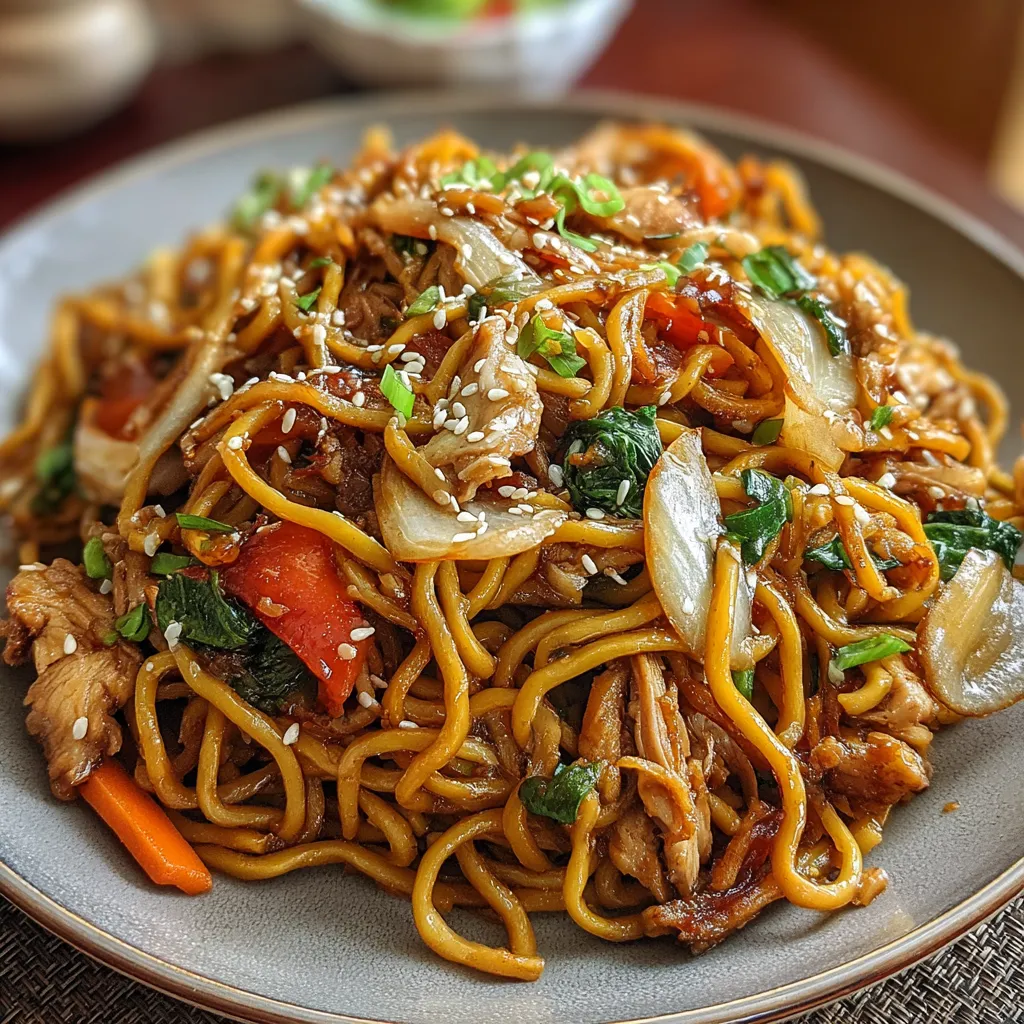

Chicken Chow Mein
Description
Tender chicken seared in a sizzling wok meets bright bell peppers, crunchy cabbage, and silky noodles, all coated in a glossy soy-oyster sauce with a hint of garlic and ginger
Ingredients
Instructions
-
Marinate the chicken:
-
1) Place the thinly sliced chicken breast in a medium bowl.
-
2) Add soy sauce, cornstarch, sesame oil, white pepper, Shaoxing wine (if using), and salt.
-
3) Mix well until the chicken is evenly coated; the cornstarch should lightly cling to the meat without clumping.
-
4) Let marinate for at least 15 minutes at room temperature, or up to 30 minutes in the fridge while you prepare the other ingredients.
-
Prepare the chow mein sauce:
-
1) In a small bowl or measuring cup, combine soy sauce, dark soy sauce, oyster sauce, sugar, rice vinegar, hoisin sauce (if using), chicken broth, sesame oil, cornstarch, and white pepper.
-
2) Whisk until the sugar and cornstarch are fully dissolved and the sauce looks smooth.
-
3) Taste a tiny bit and adjust: add a pinch more sugar for sweetness, soy sauce for saltiness, or vinegar for brightness, as desired. Set aside.
-
Cook the noodles:
-
1) Bring a large pot of water to a boil.
-
2) Add the chow mein or egg noodles and cook according to package directions, but undercook by about 1 minute so they stay firm for stir-frying.
-
3) Drain the noodles in a colander and rinse briefly under cold water to stop the cooking and remove excess starch.
-
4) Toss the cooled noodles with about 1 tsp of oil to prevent sticking. Set aside to drain thoroughly.
-
Prep the vegetables and aromatics:
-
1) Mince the garlic and ginger.
-
2) Thinly slice the onion and bell pepper.
-
3) Shred the cabbage and julienne the carrots.
-
4) Rinse and drain the bean sprouts if using.
-
5) Cut green onions into 1-inch pieces, keeping the white parts and green tops separated.
-
6) Lay everything out near your stove; stir-frying moves quickly, so have all ingredients ready.
-
Stir-fry the chicken:
-
1) Heat 1–1.5 tbsp oil in a large wok or wide, heavy skillet over medium-high to high heat until shimmering and just starting to smoke.
-
2) Add the marinated chicken in a single layer as much as possible; let it sear undisturbed for 30–45 seconds to get some color.
-
3) Stir-fry for another 2–3 minutes until the chicken is just cooked through and no longer pink. Do not overcook or it will become dry.
-
4) Transfer the cooked chicken to a plate and set aside.
-
Stir-fry the vegetables:
-
1) In the same wok or skillet, add another 1–1.5 tbsp oil if the pan looks dry.
-
2) Add the minced garlic, ginger, and the white parts of the green onions. Stir-fry for about 20–30 seconds until fragrant, being careful not to burn the garlic.
-
3) Add the sliced onion, carrot, and bell pepper. Stir-fry for 2–3 minutes until slightly softened but still crisp-tender.
-
4) Add the shredded cabbage and stir-fry for another 1–2 minutes until wilted but still bright in color.
-
5) Add the bean sprouts (if using) and stir-fry for about 30–45 seconds more; they should remain crunchy.
-
Combine noodles, chicken, and sauce:
-
1) Add the drained noodles to the wok with the vegetables. Use tongs or chopsticks to gently toss and separate the strands.
-
2) Give the chow mein sauce a quick stir to reincorporate the cornstarch, then pour it evenly over the noodles.
-
3) Toss continuously for 2–3 minutes over medium-high heat, lifting and turning the noodles so they are evenly coated and heated through. Allow some noodles to briefly contact the hot wok surface for those lightly charred, smoky bits.
-
4) Add the cooked chicken back into the wok along with the green parts of the scallions.
-
5) Toss everything together another 1–2 minutes until the chicken is hot and the sauce has thickened slightly and clings to the noodles.
-
6) Taste and season with a pinch of salt and pepper if needed. If it seems dry, splash in 1–2 tbsp of water or broth and toss again briefly.
-
Serve:
-
1) Transfer the Chicken Chow Mein to a large serving platter or individual bowls.
-
2) Garnish with toasted sesame seeds and extra sliced green onions.
-
3) Drizzle with a little chili oil or sprinkle with red chili flakes if you like heat.
-
4) Serve immediately, optionally with lime wedges on the side for a squeeze of freshness.
Note
- For best texture, use fresh refrigerated chow mein or Hong Kong-style egg noodles; if using dried noodles, be careful not to overcook.
- Dark soy sauce mainly adds color and depth; if you don’t have it, just use a little extra regular soy sauce and expect a slightly lighter color.
- A very hot wok or pan is key to that restaurant-style smoky “wok hei” flavor; cook in smaller batches if your pan is small.
- You can swap chicken for thinly sliced beef, pork, shrimp, or firm tofu; adjust cooking time so the protein just cooks through.
- Leftovers reheat well in a hot pan with a splash of water or broth; avoid microwaving too long to prevent the noodles from drying out.